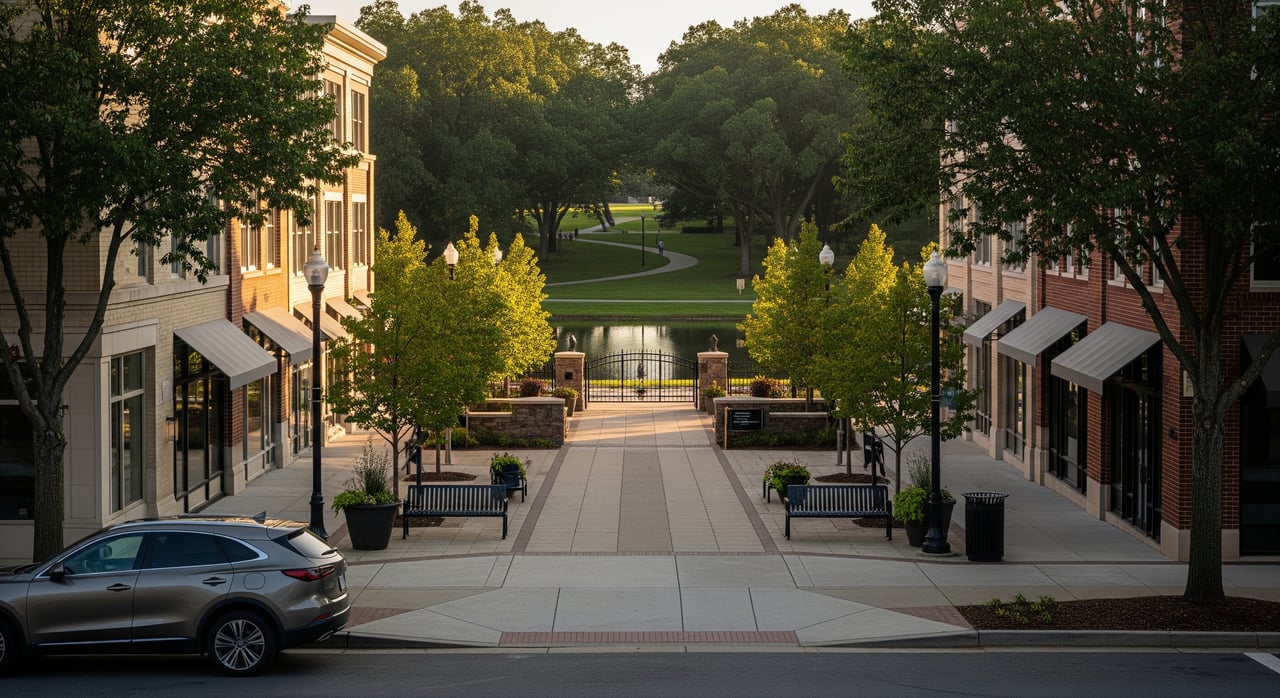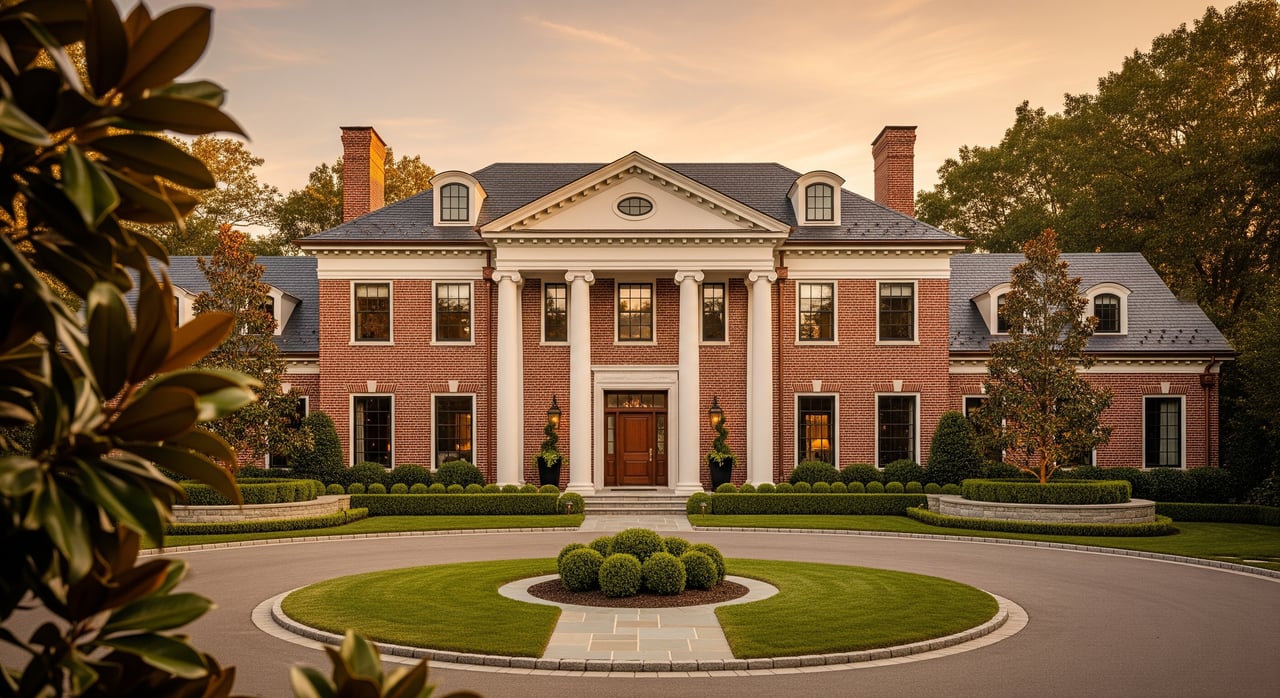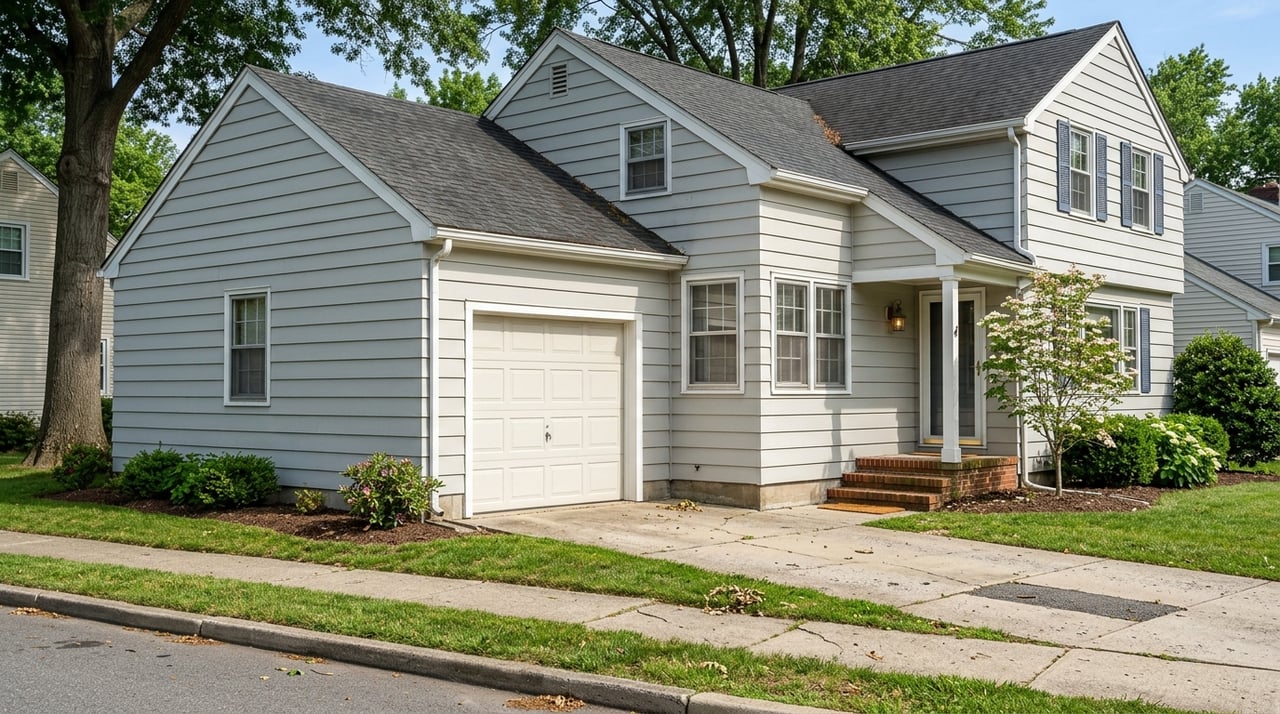
Looking for a Stratford Hills home you can improve and build equity without overreaching? You are not alone. Many buyers and small investors target this Southside spot for its mid‑century homes, leafy lots, and quick access to the James. In this guide, you will learn how to spot real value‑add opportunities, what projects pencil out here, and the local rules that can make or break your plan. Let’s dive in.
Why Stratford Hills works for value‑add
Stratford Hills offers a mix of mid‑century ranches and split‑levels alongside later infill, with a wide range of lot types and settings. The neighborhood’s housing stock and site variety create room for cosmetic updates, layout improvements, and finished space additions. A state survey of Southside architecture confirms the area’s mid‑century character and heterogeneity, which is exactly what value‑add buyers look for when hunting for “good bones.” You can review that neighborhood context in the Virginia Department of Historic Resources documentation for Southside neighborhoods.
Proximity to the James River Park System is a major draw. Homes that highlight outdoor living, trail access, and river proximity often see stronger buyer demand. If you are new to the area, explore local highlights like Pony Pasture via the James River Park System’s site to understand what future buyers will value.
At a high level, think of two micro‑markets inside Stratford Hills:
- Mainstream single‑family stock and smaller ranches, where after‑repair values (ARVs) commonly land from the mid‑$300ks to the mid‑$600ks depending on location and scope.
- River‑adjacent or large‑lot properties that can stretch into seven figures. A Riverside Drive sale around $1.9M in 2023 shows how high the ceiling can go near the river. Local business reporting on high‑end sales supports that there is meaningful luxury activity in the area and nearby corridors.
The takeaway: use block‑level comps and a realistic rehab budget. Averages can mislead here because river proximity and lot characteristics change values quickly.
Where to find value‑add opportunities
Dated but sound homes
You will often see well‑sited ranches and split‑levels with solid structure but tired kitchens, baths, or systems. These are prime value‑add candidates because layout, light, and lot appeal are already there. Verify roof age, HVAC history, grading and water management, electrical panel type, and whether the home was built before 1978. Pre‑1978 homes may involve lead‑safe rules and extra costs.
Unfinished or underused space
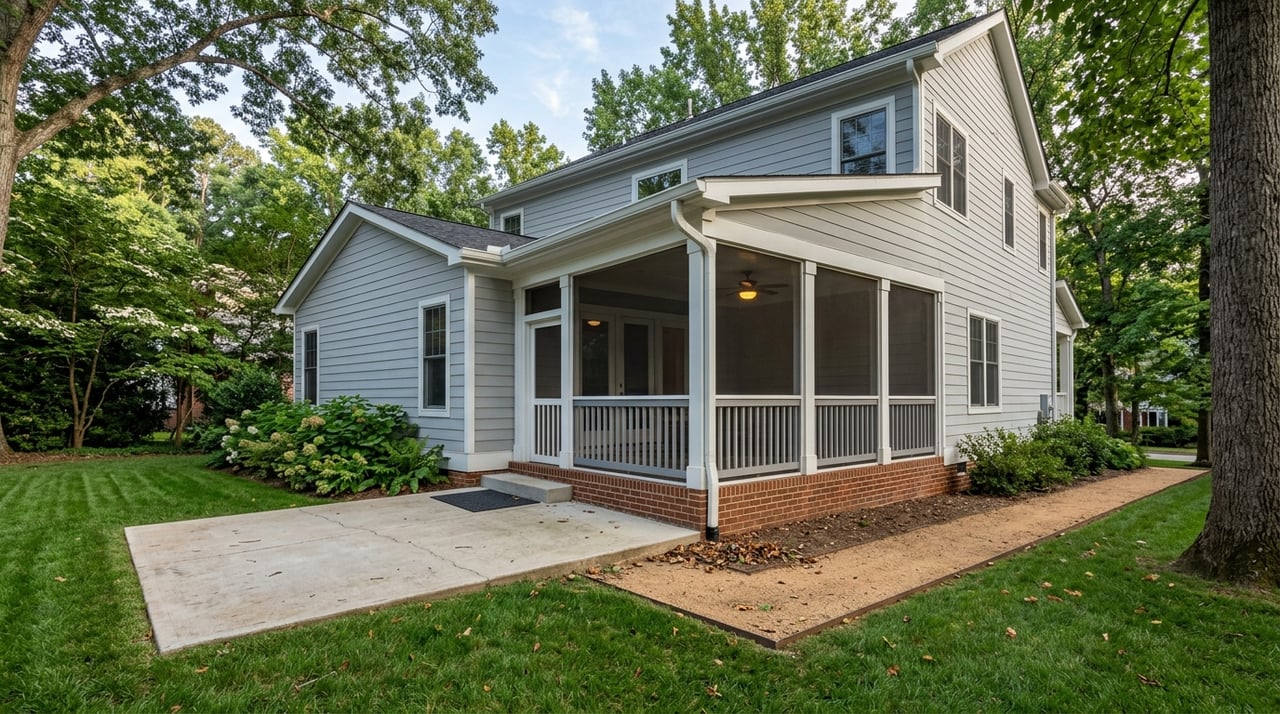
Look for partial basements, walk‑up attics, and enclosed porches that could become living space. Finished lower levels can create a home office, guest suite, or media room that resonates with today’s buyers. If you are thinking about an accessory dwelling unit (ADU), know that Richmond allows them, but the rules are specific and should be checked early. See the City of Richmond’s Homeowner Permit Guide for plan submittals, size limits, and inspections.
Under‑marketed or off‑market properties
Some deals hide in plain sight. Listings with dim photos, thin descriptions, or long days on market can signal negotiating room if the scope is clear. True off‑market inventory exists too, but it is shaped by the National Association of REALTORS policy on Clear Cooperation. Office‑exclusive “pocket” listings are limited, and most opportunities instead come from expired listings, for‑sale‑by‑owner, estate sales, or investor networks. Review the Clear Cooperation overview to understand what you can and cannot expect.
River‑adjacent parcels and rare lots
If a home offers private river access, flatwater frontage, or a unique lot, the upside can be significant. The flip side is higher complexity, including erosion control, flood insurance, and septic or utility challenges. Budget extra time and professional diligence on these properties. A floodplain check is not optional near the James.
Renovation scope and cost benchmarks
No two projects are identical, but these ranges can help you screen deals before you bring in contractors. Always verify with at least two local bids.
- Cosmetic light refresh (interior paint, floors, fixtures, minor kitchen or bath touch‑ups): about $10,000 to $40,000 depending on home size and finish level.
- Kitchen remodel, midrange: a “minor” kitchen often lands around $25,000 to $30,000, while a larger midrange project can reach $70,000 to $90,000 depending on cabinets, layout changes, and materials. National and regional benchmarks are summarized in HomeLight’s remodel guidance.
- Bathroom remodel, midrange: roughly $8,000 to $30,000 per bath based on scope and finishes.
- Basement finishing: can range from $15,000 to $50,000+ depending on egress, waterproofing, and mechanicals.
Treat these as screening numbers, then tailor for Southside labor costs, site conditions, and any flood or hillside work.
Permit basics in Richmond
Richmond requires building permits for most additions, alterations, and repairs that affect structure or occupancy. Separate trade permits are required for electrical, plumbing, and mechanical work. Cosmetic replacements like painting and similar surface‑level work may be exempt, but always confirm before you start. The City’s homeowner guide outlines timelines, submittal checklists, and inspection steps.
- Read the City of Richmond Homeowner’s Permit Guide for permit types, processing goals, and validity windows.
ADUs at a glance
Richmond permits ADUs with clear limits. An ADU cannot exceed one‑third of the main dwelling or 500 square feet, whichever is greater, and it must meet zoning and plan requirements. Expect site plans, building permits, and inspections, and confirm any hydrant distance or block‑specific conditions early. Because ADUs affect both timeline and budget, test feasibility before you underwrite the deal.
- See ADU details and submittal requirements in the City’s Homeowner Permit Guide.
Safety checks for older homes
- Lead‑based paint: Any home built before 1978 may contain lead‑based paint. Sellers and agents must provide federal lead disclosures, and renovation activities that disturb paint require EPA RRP‑certified practices. Review the EPA’s disclosure guidance, and learn more about lead in the home from the Virginia Department of Health.
- Flood risk: Many parcels near the James sit in mapped floodplains. Use FEMA’s Flood Map Service Center to check a property address, and consider an elevation certificate and consultation with the city floodplain office if your lot is near the river.
A simple field checklist for showings
Use this 10‑minute screen to separate cosmetic projects from money pits:
- Lot and drainage: Look at slope, downspouts, and any pooling near the foundation.
- Roof and exterior: Estimate roof age, check for missing shingles, sagging, wood rot, and brick or mortar issues.
- Windows and doors: Note single vs. double‑pane and any signs of rot or seal failure.
- Mechanical clues: Glance at the HVAC condenser age, water heater venting, and any outdated flues.
- Interior water signs: Stains at ceilings or in the basement, musty odors, or efflorescence on walls.
- Age flags: If built before 1978, plan for lead‑safe work practices and disclosures.
- Flood hint: If you are near the river or a low point, plan a FEMA map check.
- Permit history: Ask for permits on past work, especially for additions, decks, and finished basements. The City’s homeowner guide explains what should have been permitted.
If any red flags pop up, your next step is a general inspection and targeted specialist inspections for the roof, structure, moisture, or sewer line.
Deal math that keeps you conservative
Start with a quick screen, then shift to detailed budgets once a property passes your initial tests.
- 70 percent rule for flips: As a rough screen, Maximum Purchase Price = (ARV × 70%) minus your estimated renovation costs. This is not a final answer, but it helps you filter fast.
- Add real contingencies: Reserve 10 to 20 percent of your renovation budget for hidden conditions. Do not forget monthly carry costs for taxes, insurance, interest, and utilities.
- Verify the ARV with block‑level comps: River adjacency, lot size, and street‑by‑street demand can swing your exit price. Use recent solds on the same street or within a short radius when possible.
When to bring in the pros
- Real estate agent: Engage early to pull street‑level comps, parse days on market, and flag under‑marketed listings. An agent who works Stratford Hills and Southside daily will shorten your search and help you avoid overpaying.
- Licensed general contractor: Before you finalize price, get at least two scope‑based estimates and identify work that will require building and trade permits. Permitting adds time, so set your timeline with the City’s process in mind.
- Home inspector and specialists: Use your inspection window to order a general inspection, then add termite, sewer scope, roof, structural engineer, HVAC, or moisture assessments as needed.
- Lead and asbestos pros: For pre‑1978 homes, get testing and quotes from certified contractors. Renovation work must follow EPA RRP standards to protect occupants and your resale.
Your next steps
Ready to walk Stratford Hills with a sharper eye? Tour a few homes, use the checklist above, and keep the City’s permit rules, ADU limits, and flood checks in mind. When you are serious about a property, bring in local comps, a contractor estimate, and clear timelines so your offer reflects real numbers.
If you want a Stratford Hills specialist to help you source opportunities, run block‑level comps, and negotiate with confidence, reach out to Craige Sprouse. You will get clear guidance, responsive communication, and a local plan that fits your goals.
FAQs
What makes Stratford Hills good for value‑add buyers?
- A diverse mix of mid‑century homes and lot types, plus strong lifestyle demand from James River Park access, creates room for cosmetic and layout improvements that buyers value.
How do ADU rules work in Richmond for Stratford Hills properties?
- Richmond permits ADUs that meet zoning and plan standards and limits size to the greater of one‑third of the main dwelling or 500 square feet; expect site plans, building permits, and inspections.
How should I estimate remodel costs for a Stratford Hills home?
- Use national benchmarks for screening (for example, midrange kitchens often run $25k–$90k), then get two local contractor bids tied to a written scope before finalizing your offer.
How do I check flood risk near the James in Stratford Hills?
- Search the address in FEMA’s Flood Map Service Center, consider an elevation certificate, and consult the city floodplain office if the property is near mapped flood zones.
What are common red flags in older Stratford Hills homes?
- Roof age, grading and drainage, signs of water intrusion, outdated electrical panels, and pre‑1978 lead paint risks are frequent cost drivers to verify early.
Where can I find under‑marketed deals in Stratford Hills without breaking any rules?
- Focus on long‑DOM listings, expireds, estate sales, and networking; understand Clear Cooperation rules so you do not overestimate the availability of pocket listings.