Looking for a Richmond neighborhood that gives you quick access to the James River without feeling cut off from the city? Woodland Heights stands out for exactly that reason. If you want historic homes, mature trees, and a location that connects easily to downtown while keeping parks and trails close by, this guide will help you understand what daily life here can really look like. Let’s dive in.
Why Woodland Heights Feels Different
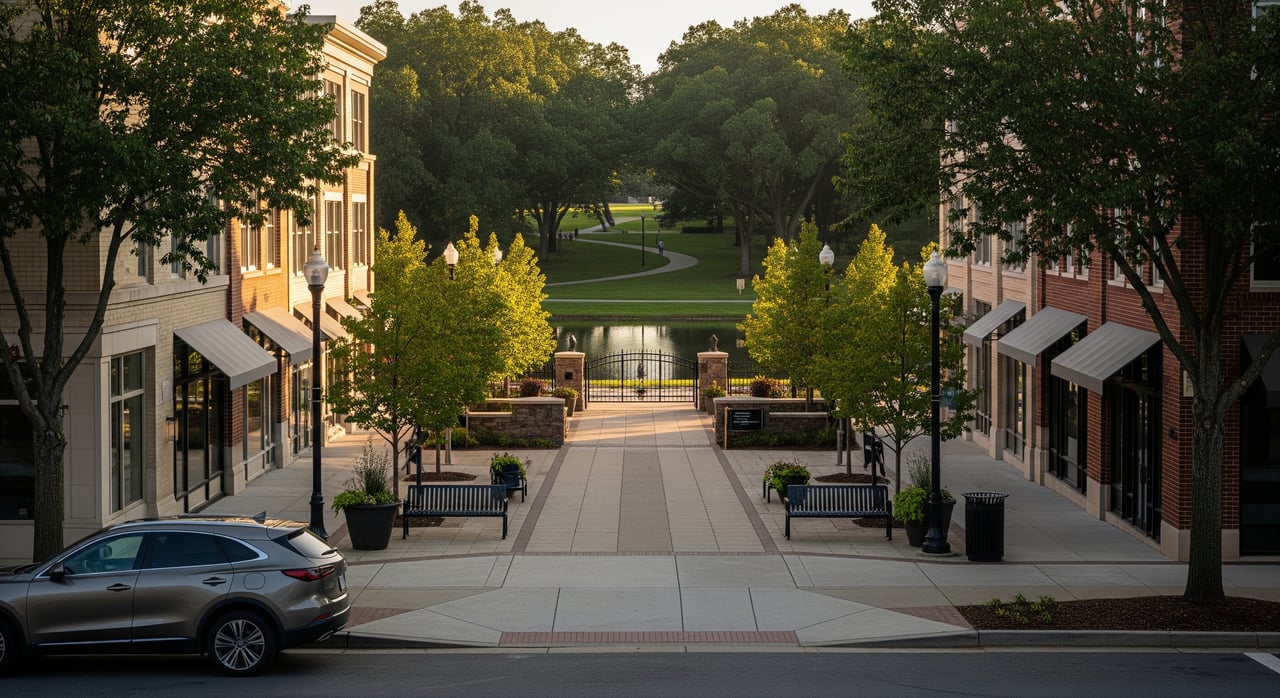
Woodland Heights is a historic Richmond neighborhood on the south side of the James River, bounded roughly by Riverside Drive, Forest Hill Avenue, an alley parallel to West 24th Street, and 34th Street. According to the Virginia Department of Historic Resources historic district nomination, the area is defined by tree-lined avenues, river views, and a park-like setting.
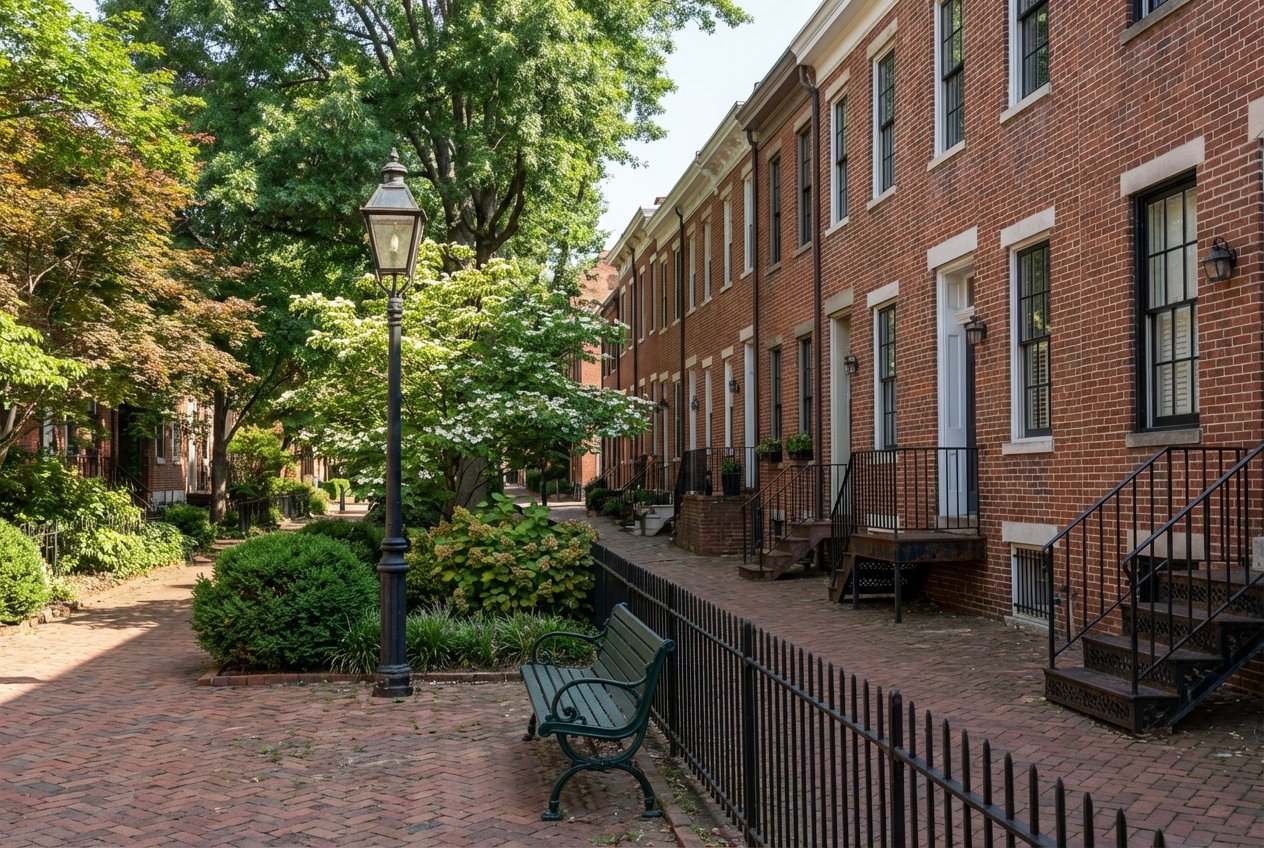
That description matters because it helps explain the neighborhood’s rhythm. Woodland Heights does not read like a tightly packed urban grid. Instead, it tends to feel more open, with broad streets, mature vegetation, and a residential layout shaped by its historic development.
A Streetcar-Suburb History You Can Still See
Woodland Heights is one of Richmond’s earliest planned streetcar suburbs. It was designed and platted in the late 1880s, and much of the neighborhood was built between 1895 and 1935, with most homes constructed from 1914 to 1933, as noted in the same historic district documentation.
You can still see that history in the streetscape today. The neighborhood’s consistent setbacks, established tree canopy, and similar home scale create a cohesive look, even when the architecture changes from block to block.
What Homes in Woodland Heights Look Like
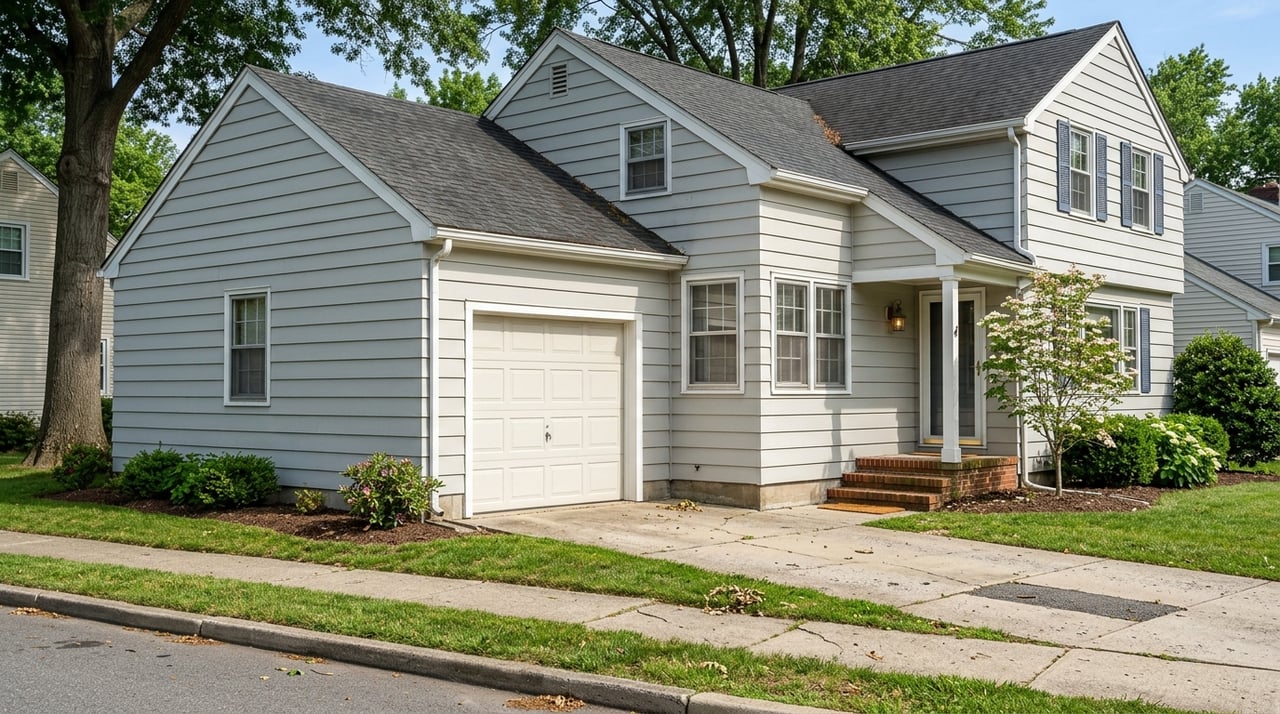
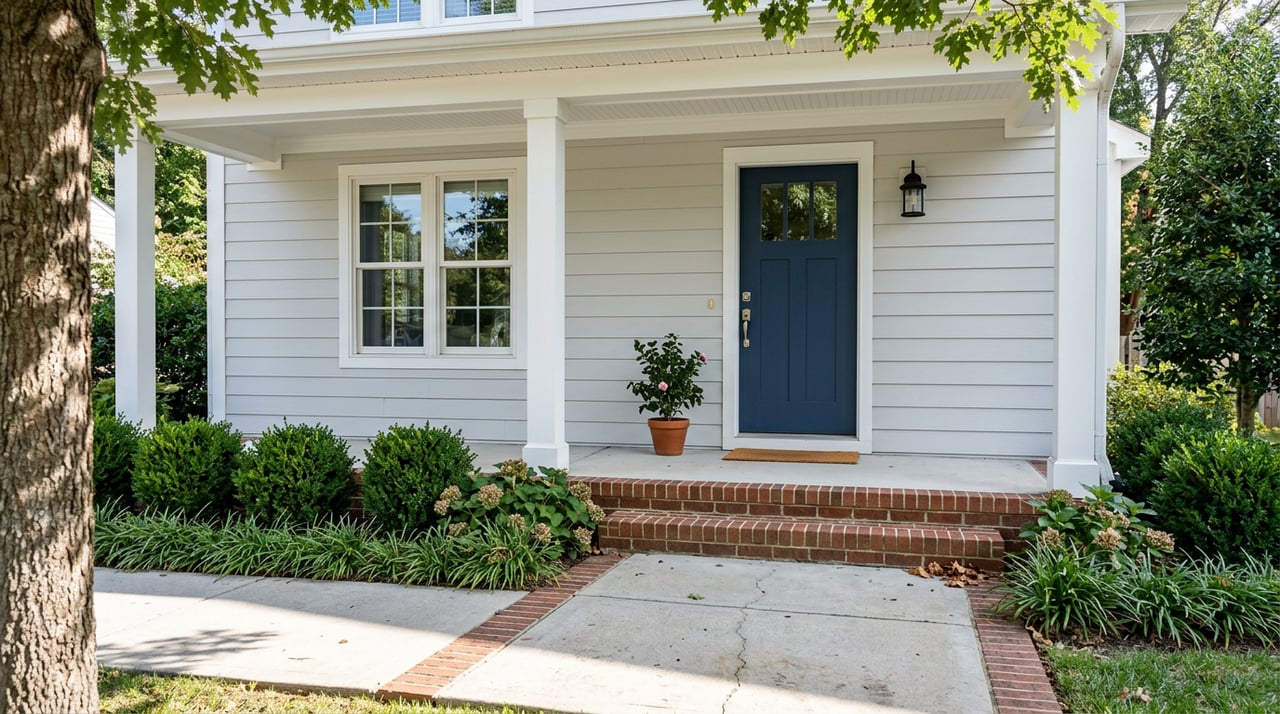
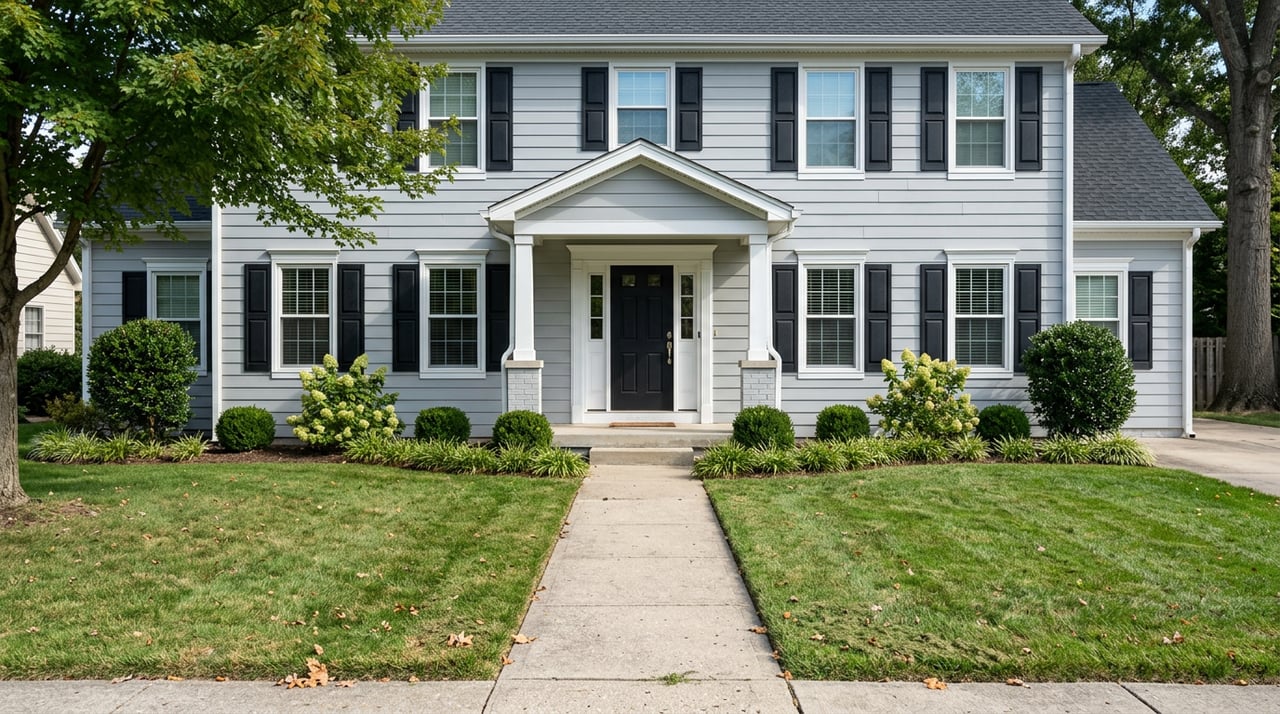
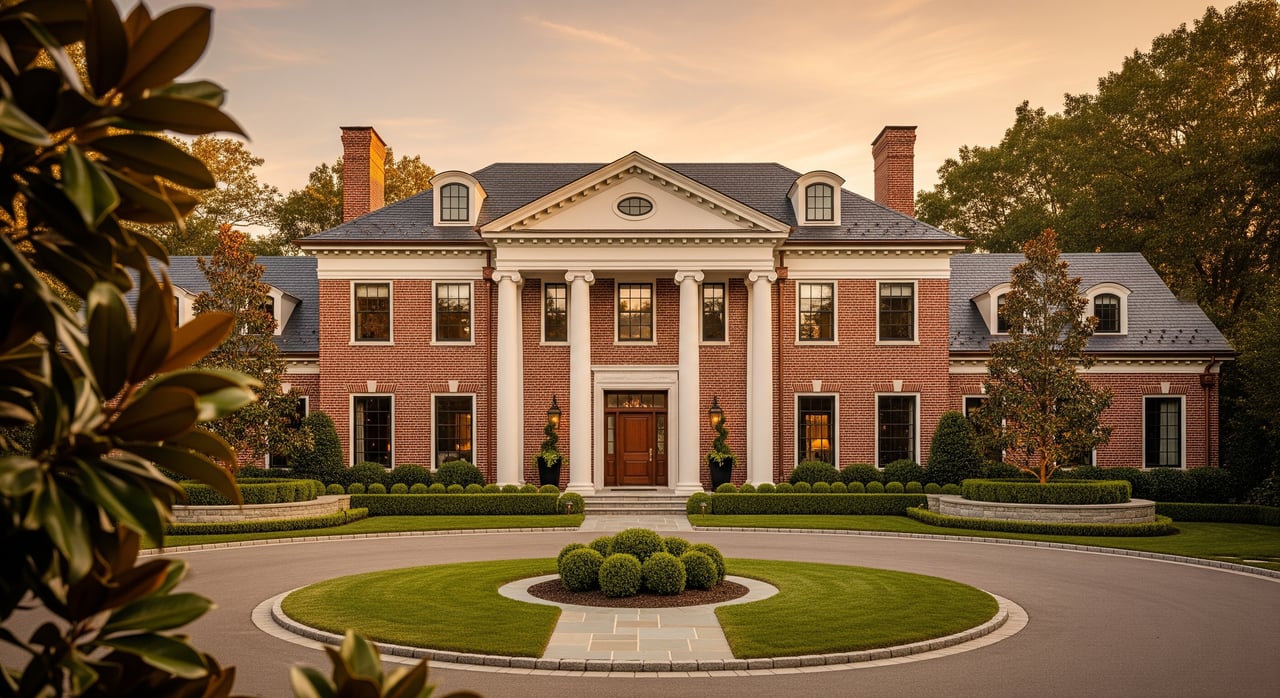
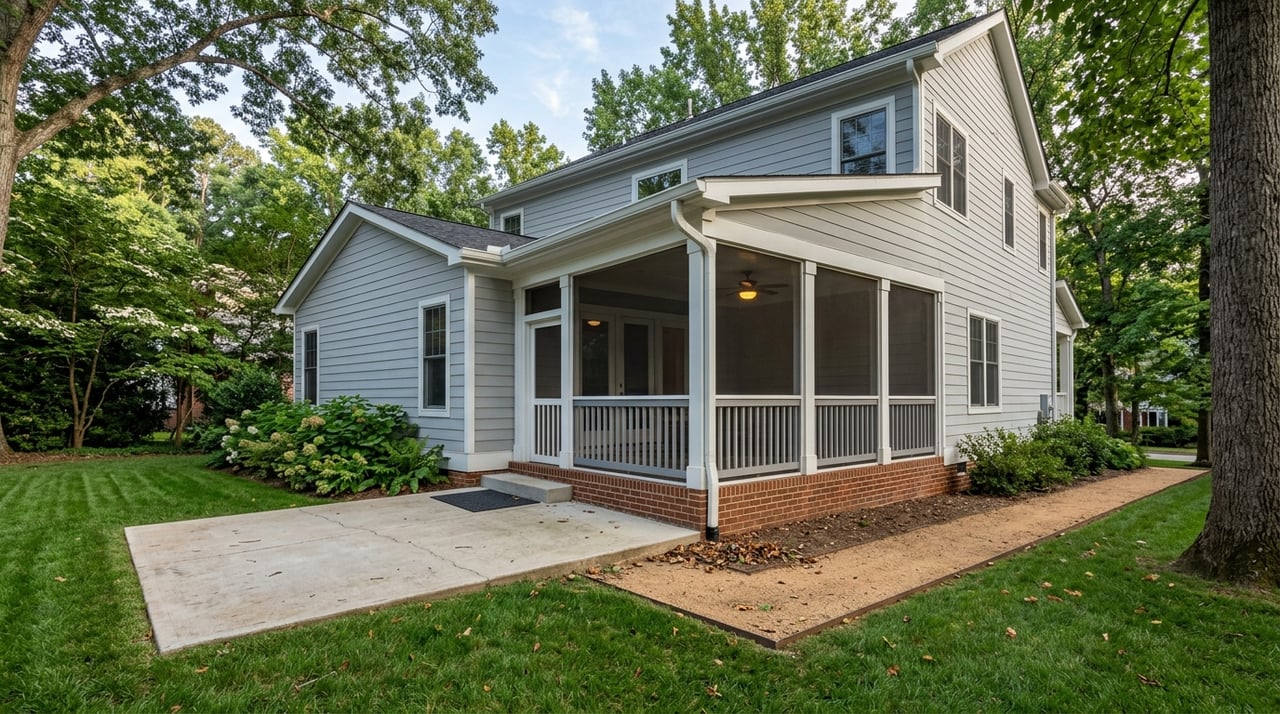
If you are picturing one single home style, Woodland Heights will likely surprise you. The neighborhood includes Queen Anne, Colonial Revival, American Foursquare, and Craftsman homes, along with Folk Victorian, Tudor Revival, Cape Cod, Ranch, and other early- and mid-20th-century designs, according to the district register summary.
That mix gives buyers a lot to explore without losing the neighborhood’s overall character. While individual homes can vary in detailing and era, the area still feels visually connected because the lots, scale, and street pattern work together.
Lot Sizes and Overall Setting
One of Woodland Heights’ defining features is the shape of the land and the size of the lots. The historic nomination describes lots as generally wide and deep, with mature vegetation and modest topographic change through much of the district.
Closer to the river, the terrain changes more noticeably as the land drops into a wooded ravine toward James River Park. That geography helps create the sense that the neighborhood sits near a major natural feature, not just near another city park.
James River Access Is a Real Lifestyle Perk
For many buyers, the biggest draw is simple: you are close to the James River. The James River Park System is Richmond’s largest park, spanning 600 acres from Huguenot Flatwater to Ancarrow’s Landing, with more than 20 miles of trails, four public boat ramps, and two climbing sites.
That means living in Woodland Heights can put you close to a serious outdoor recreation network, not just occasional green space. If you enjoy walking, trail running, biking, paddling, or spending time near the water, this location offers a strong connection to those activities.
Nearby Park Entrances and Trail Options
Woodland Heights also benefits from having several nearby access points. The city lists the James River Park Main Area on Riverside Drive, the 42nd Street Entrance at 4301 Riverside Drive, and Reedy Creek Trail access points on Riverside Drive through its Parks, Recreation and Community Facilities listings.
For a buyer, that translates into options. Depending on where you live within Woodland Heights, you may be choosing among multiple ways to get onto trails or into the park system, which can make outdoor time feel much easier to build into a normal weekday.
Forest Hill Park Adds Another Outdoor Layer
The river is the headline, but it is not the whole story. Woodland Heights also sits near Forest Hill Park, which the city describes as having a 1.5-mile trail system along with a lake, stream, grassy hills, woodlands, and mountain biking routes through the same city parks resource.
This gives the neighborhood a wider range of outdoor settings. Some days you may want river trails and bigger views. Other days, a neighborhood park with loop-style paths and open green space may be a better fit.
Fonticello Park for Everyday Use
For day-to-day recreation, Fonticello Park adds another nearby option. The historic district nomination places it near Woodland Heights’ south boundary, and the city lists amenities including athletic fields, a playground, basketball, tennis, and a tot lot in its department overview.
That mix matters because it broadens the appeal of the area’s outdoor spaces. Woodland Heights is not only about scenic access to the James. It also offers smaller-scale park amenities that can support everyday routines.
Getting Downtown From Woodland Heights
A neighborhood can be beautiful, but convenience still matters. Woodland Heights has long been understood as a bridge-connected southside location, with the historic district nomination identifying the principal route to downtown as the Robert E. Lee Bridge and noting Boulevard Bridge as another western approach in the same official report.
For buyers who work, dine, or spend regular time in and around downtown Richmond, that connection is a big part of the neighborhood’s value. Woodland Heights offers a residential setting with strong natural features while still staying tied into the core of the city.
You Do Not Have to Rely Only on a Car
Transit is part of the picture too. GRTC Route 2A North Ave/Forest Hill serves Downtown Richmond, Manchester, Forest Hill, and Stony Point, with a listed stop at Semmes & 22nd and downtown connections through the broader system.
GRTC also states that buses run from 5AM to 1AM daily, are zero-fare, and include front-mounted bike racks. If you want another way to get around, especially for downtown trips or mixed bike-and-bus travel, that is useful practical information.
How Woodland Heights Compares Nearby
If you are deciding among south-of-the-river neighborhoods, Woodland Heights is often easiest to understand alongside Forest Hill and Westover Hills. The Forest Hill historic district nomination explains that these three neighborhoods run east to west along the south bank of the James and developed as planned suburbs connected to the Forest Hill streetcar line.
Within that lineup, Woodland Heights is the eastern, river-close part of the corridor. Forest Hill is the park-centered middle neighbor, separated from Woodland Heights by Forest Hill Park, while Westover Hills sits farther west.
What That Means for Buyers
This comparison can help you narrow your search. If being especially close to the James River and its access points matters most, Woodland Heights may deserve a closer look.
If you are comparing home styles across nearby neighborhoods, it is also helpful to know that Forest Hill has a broad mix of house sizes and styles, from larger Queen Anne and Colonial Revival homes to smaller Craftsman bungalows and Tudor Revival dwellings, according to the Forest Hill nomination report. Woodland Heights shares the same historic suburban roots, but its own park-like setting and river edge give it a distinct identity.
Is Woodland Heights Right for You?
Woodland Heights can be a strong fit if you want a neighborhood with historic character, varied housing stock, and meaningful access to outdoor recreation. It also makes sense if you want to stay connected to downtown Richmond while living in a more residential, tree-filled setting.
As with any neighborhood, the right fit comes down to your priorities. Some buyers focus on architecture and lot size. Others care most about trails, river access, or commute patterns. Woodland Heights stands out because it brings several of those benefits together in one place.
If you are thinking about buying or selling in Woodland Heights or another Southside Richmond neighborhood, connecting with a local expert can help you compare options block by block and home by home. Craige Sprouse brings hyper-local Richmond insight, responsive service, and hands-on guidance to help you move with confidence.
FAQs
What is Woodland Heights in Richmond, VA known for?
- Woodland Heights is known for its historic homes, tree-lined streets, river views, and close access to the James River Park System, according to the Virginia Department of Historic Resources.
What types of homes are common in Woodland Heights?
- Common home styles in Woodland Heights include Queen Anne, Colonial Revival, American Foursquare, Craftsman, Folk Victorian, Tudor Revival, Cape Cod, and Ranch homes.
How close is Woodland Heights to the James River?
- Woodland Heights sits along the south side of the James River, with nearby access to the James River Park Main Area, the 42nd Street Entrance, and Reedy Creek Trail points on Riverside Drive.
Can you get downtown from Woodland Heights without driving?
- Yes. GRTC Route 2A North Ave/Forest Hill serves the area, includes a stop at Semmes & 22nd, connects to downtown Richmond, and operates as a zero-fare service.
How is Woodland Heights different from Forest Hill and Westover Hills?
- Woodland Heights is the eastern, river-close neighborhood in the historic south-bank streetcar corridor, while Forest Hill is centered around Forest Hill Park and Westover Hills is located farther west.