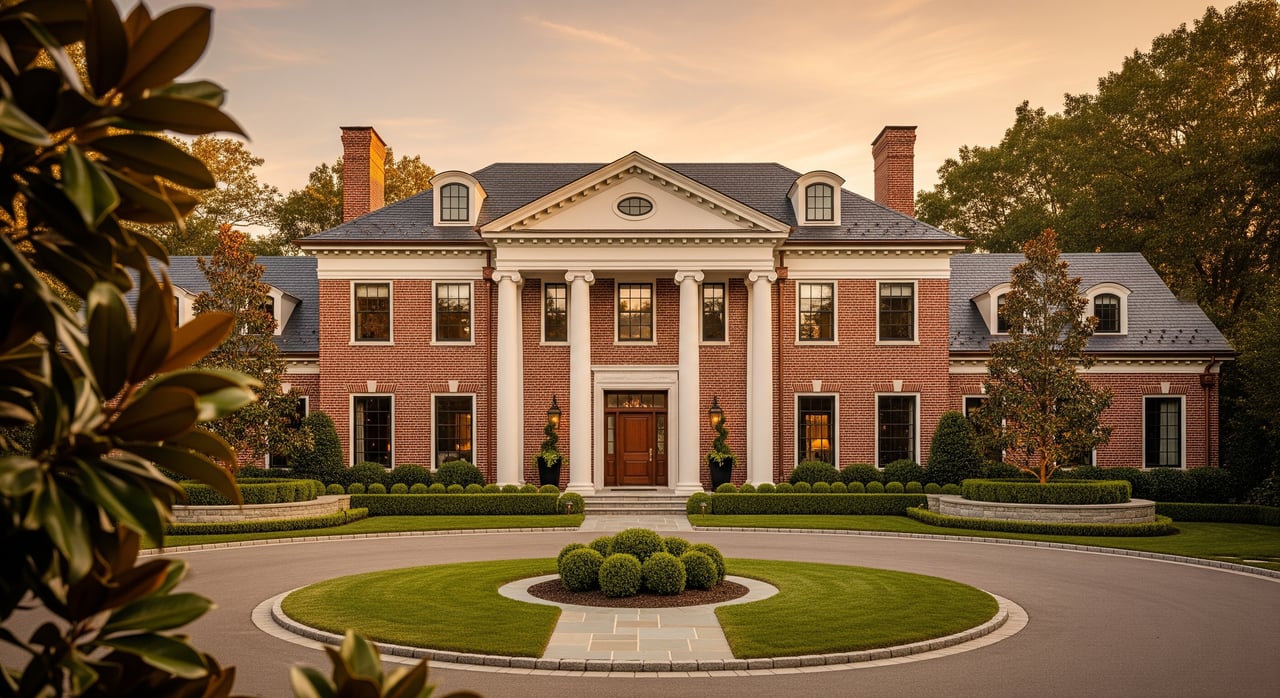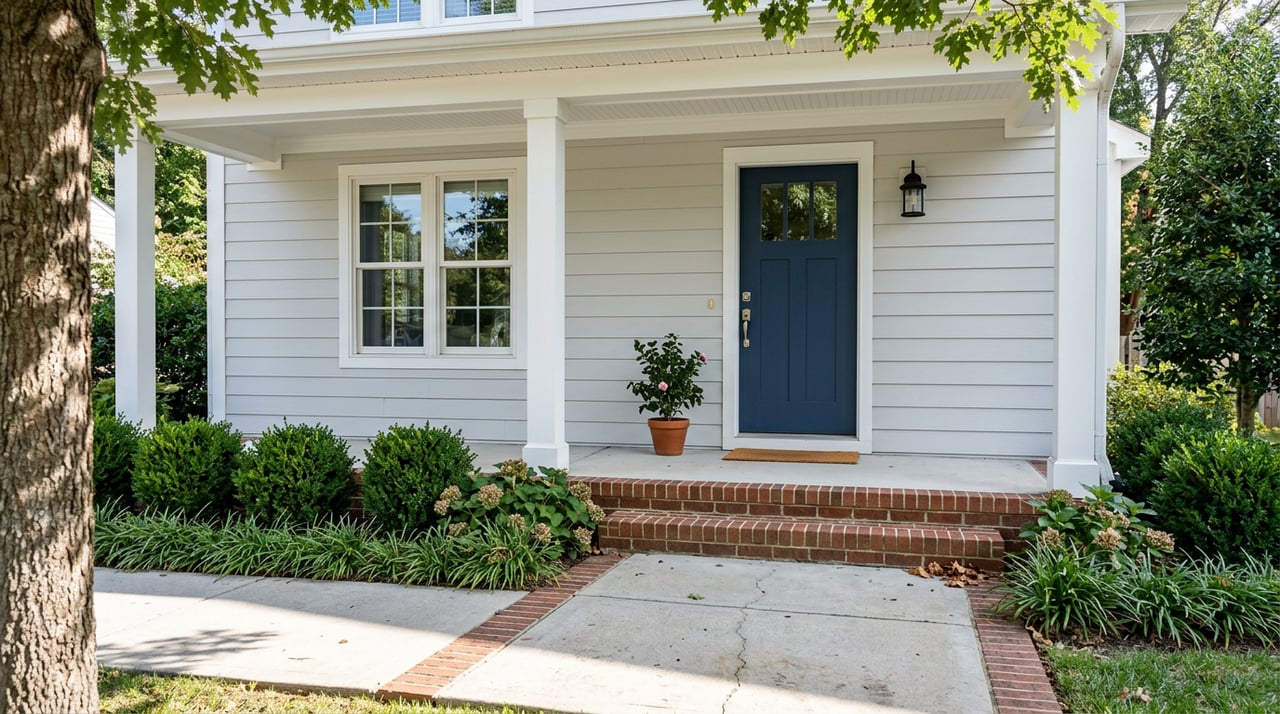
You spot a Westover Hills listing on a Tuesday and by Saturday it has a line of showings and talk of “highest and best.” It is normal to feel a mix of excitement and pressure in this neighborhood. The good news is you can compete with confidence when you understand how local sellers evaluate offers and when you prepare the right way.
In this guide, you will learn why multiple offers are so common in Westover Hills, which offer terms carry real weight, and how Virginia contracts handle things like due diligence, appraisal, and escalation clauses. You will also get a simple checklist you can follow before you write. Let’s dive in.
Why multiple offers happen in Westover Hills
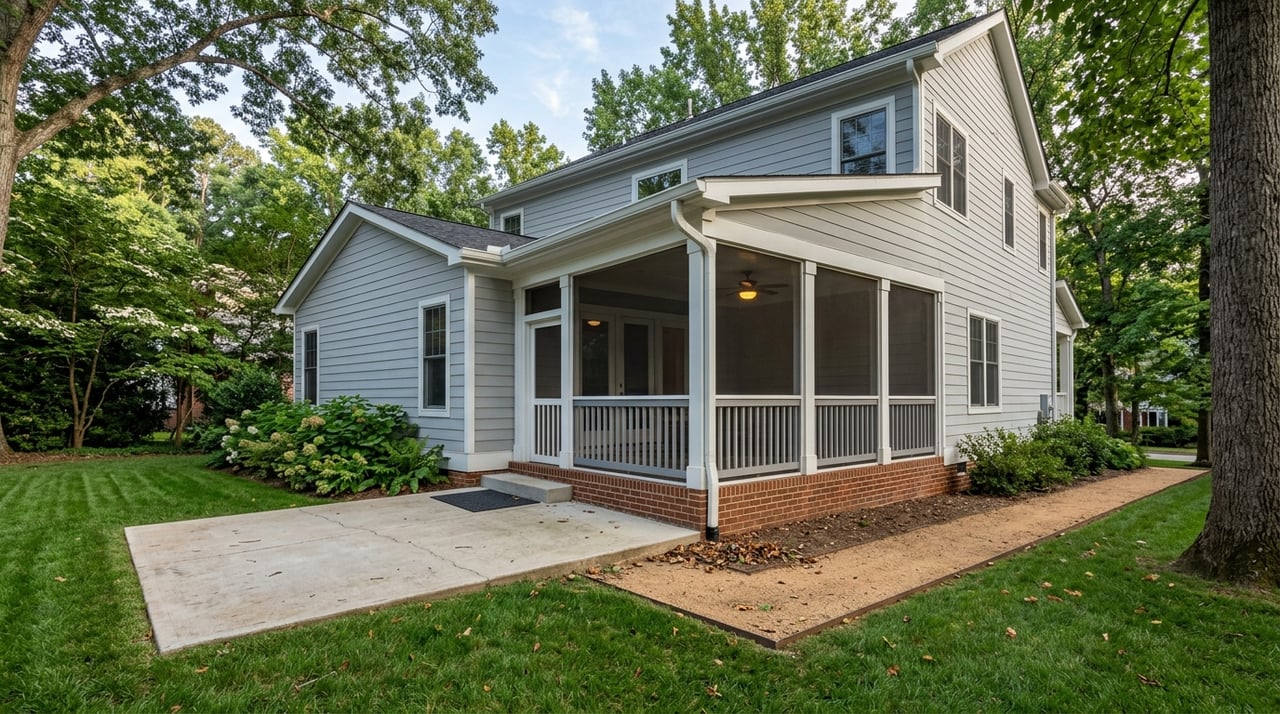
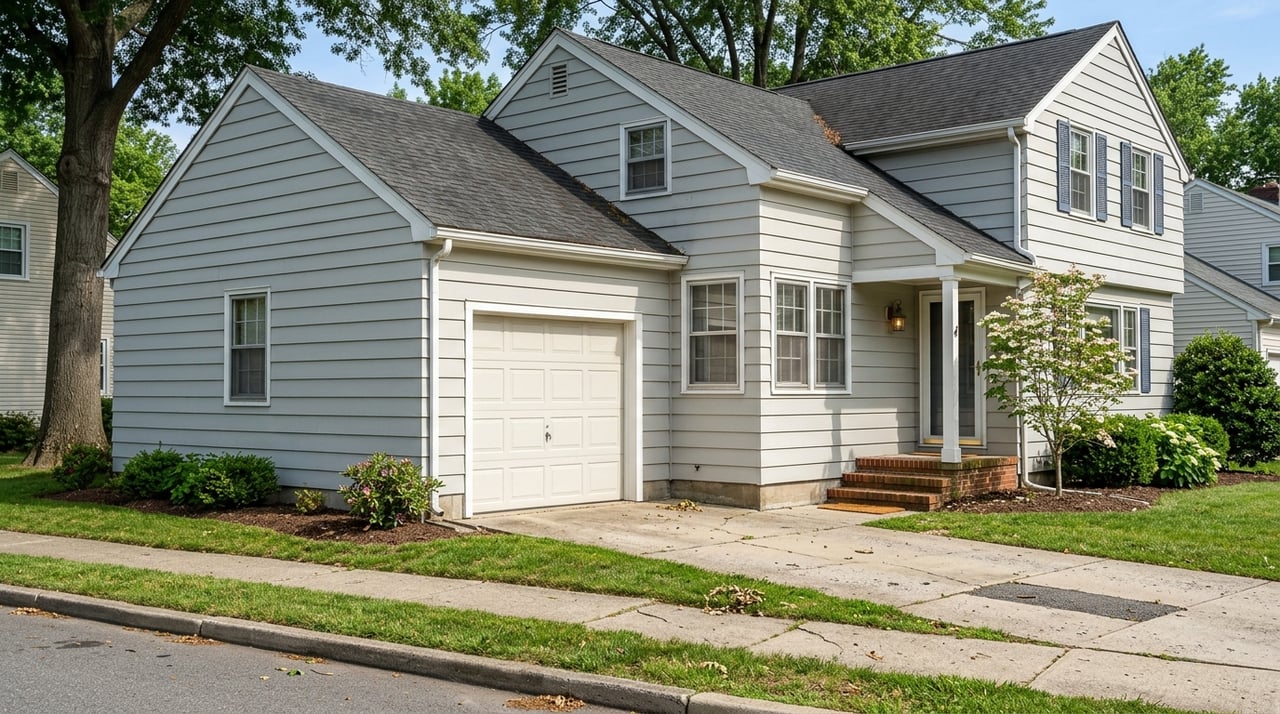
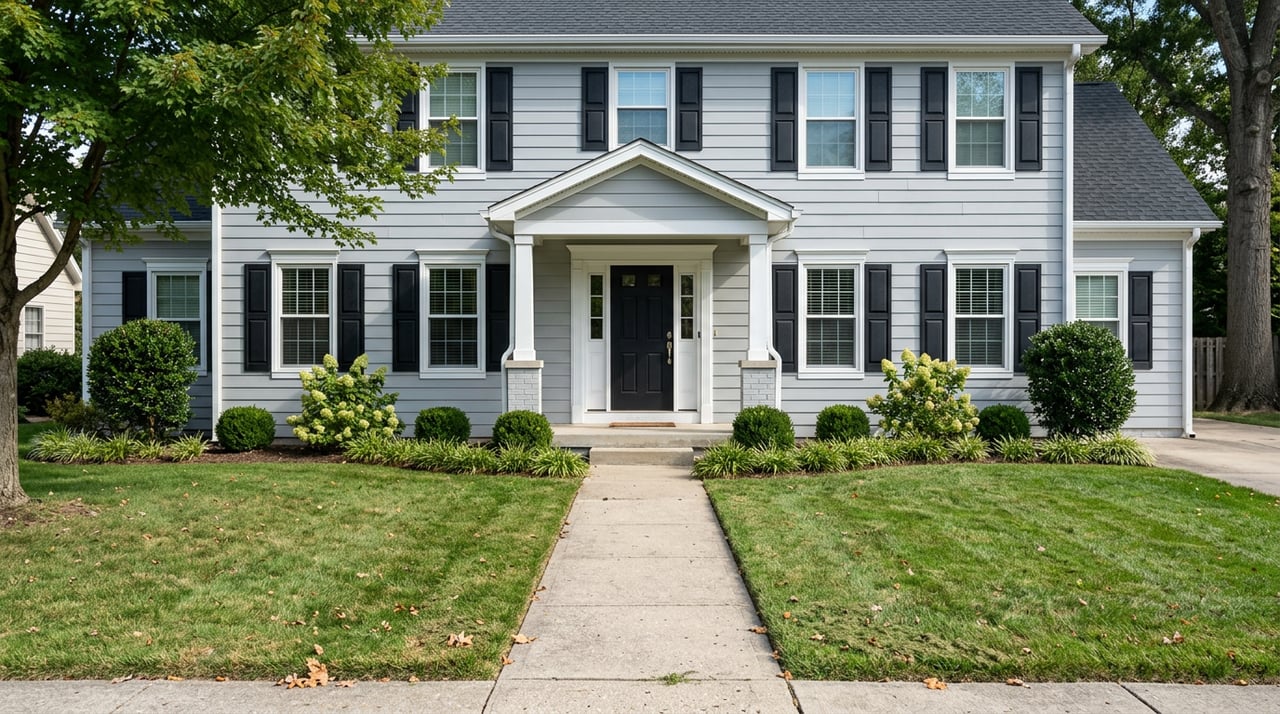
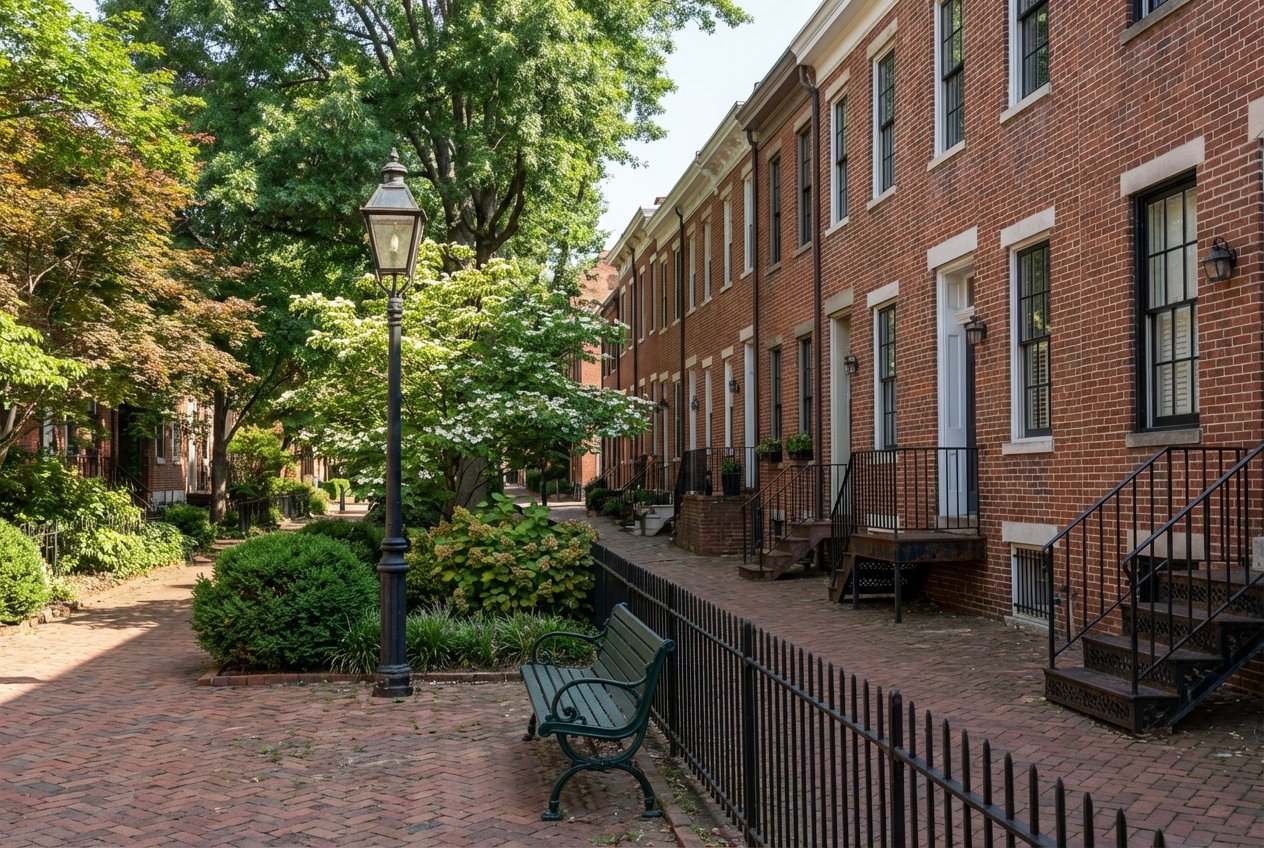
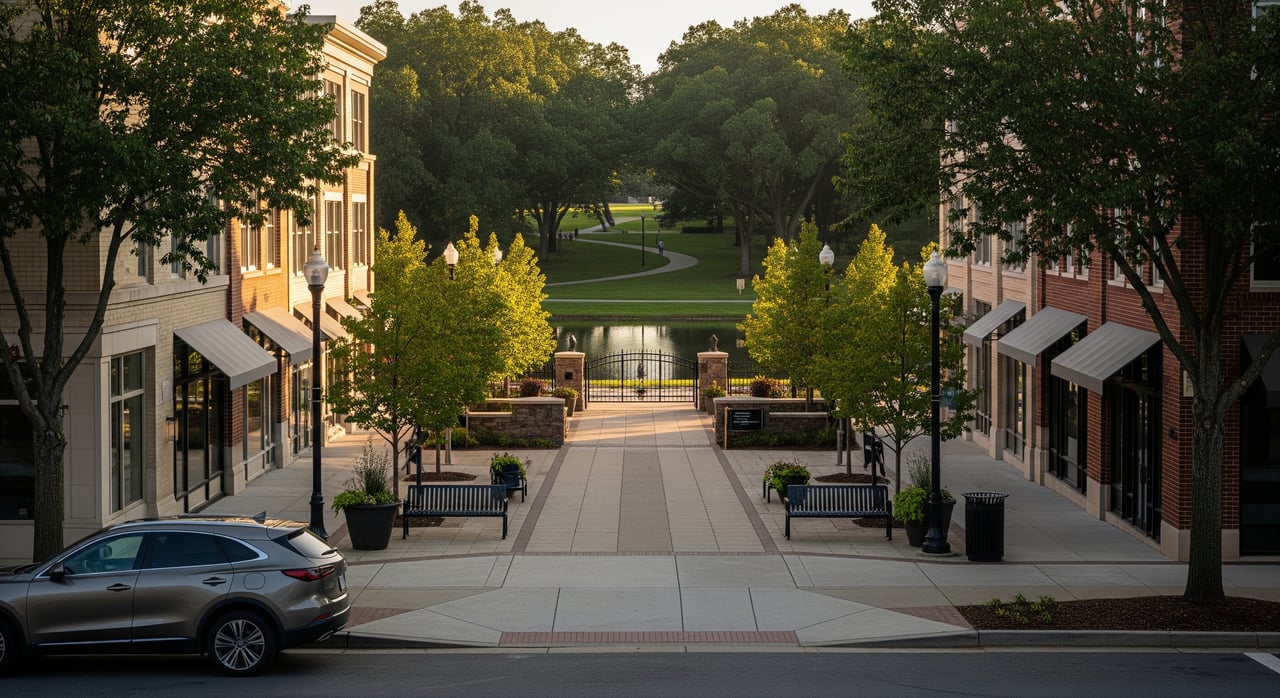
Westover Hills sits on the south bank of the James River with quick access to parks, the riverfront, and local businesses. It is a small, character-rich area with limited turnover, which focuses buyer demand when a new listing appears. The neighborhood association offers helpful context about the area and its amenities on the Westover Hills site.
Across the Richmond region, supply has stayed tight. Recent market updates drawing from CVRMLS data reported months of supply near 1.1 to 1.2 in late 2025 into January 2026, which is well below a balanced 4 to 6 months. That limited inventory fuels competition in close-in neighborhoods like Westover Hills. You can review a recent summary of this trend in the Richmond market update.
You should also expect speed. In February 2026, Redfin’s neighborhood report noted a median days on market of about 10 days, a median sale price near $682,500, and a sale-to-list ratio around 102.6%. Redfin also reported that many sellers received multiple offers and that buyers often reduced contingencies. Zillow’s ZHVI metric put the average Westover Hills home value at $633,932 as of January 31, 2026. These vendors use different methods and the neighborhood has a small number of sales, so values can swing month to month. Ask your agent for the latest MLS stats when you are ready to write.
Start with strong financing
Sellers want certainty. Your financing package is the first proof you can close on time.
Get a true pre-approval
A full lender pre-approval carries more weight than a basic pre-qualification. With a pre-approval, the lender has reviewed your documents and signaled you meet their standards, subject to final underwriting and appraisal. The Consumer Financial Protection Bureau explains how stronger documentation improves outcomes in mortgage shopping. You can learn more in this CFPB brief.
Ask about a loan commitment
If timing allows, ask your lender whether you can obtain a conditional loan commitment, sometimes called a mortgage commitment letter. This shows you have passed most underwriting steps and strengthens your offer compared to a simple pre-approval. Learn what this letter is and how it works in this overview of a mortgage commitment letter.
Prepare proof of funds
Be ready to include proof of funds with your offer. In Virginia, you may need to show readily available cash for the due diligence fee, earnest money, and any promised appraisal-gap funds. Clear bank statements or a verification letter are typical. For a buyer’s primer on Virginia costs, review this guide on how to buy a house in Virginia.
Craft a competitive offer
Price matters, but the cleanest, most reliable offer often wins. Focus on a package that gives the seller confidence without exposing you to more risk than you can handle.
Price and non-price terms that matter
- Offer a realistic price based on recent comparable sales and your budget.
- Match the seller’s preferred closing date when possible.
- Consider a larger earnest money deposit and timely delivery of funds.
- Discuss a short post-closing rent-back if the seller needs it, and confirm details in writing through your agent.
- Keep your paperwork complete with no blanks, accurate contacts for lender and title, and clear timelines.
Local listing agents consistently report that sellers choose reliability, quick closing, and clear financing over a tiny bump in price. Your goal is to make accepting your offer feel easy and safe.
Inspection and due diligence in Virginia
Virginia contracts often use a due diligence period structure. You can negotiate a defined window to inspect and the right to terminate within that period. There is also a separate, negotiated due diligence fee that is typically paid to the seller and is often nonrefundable. The standard Virginia REALTORS Residential Contract (VAR Form 600) reflects this structure. You can view a reference copy of VAR Form 600.
In a multiple-offer setting, some buyers shorten the due diligence period rather than waiving it entirely. Others limit the inspection to major systems or safety items. If you consider reducing your protections, make sure you understand the risk and the exact dollars you could lose if you terminate.
Appraisal strategy and appraisal gaps
You have three common options:
- Keep a standard appraisal contingency and negotiate if the value comes in low.
- Add an appraisal-gap cap, which promises a specific dollar amount you are willing to pay above a low appraisal.
- Waive the appraisal contingency, which increases risk and should only be done if you have cash and are comfortable with the downside.
Virginia REALTORS provides guidance on the appraisal contingency and related risk. Review their appraisal contingency legal video, then discuss structure and proof of funds with your agent.
Financing contingency and timelines
Build your financing deadlines to match your lender’s underwriting schedule. If you consider removing the financing contingency to be more competitive, remember that pre-approval does not guarantee final loan approval. If your financing fails and you have no contingency, you could lose deposits. The CFPB research is a good reminder to weigh risk before you remove protections.
Use escalation clauses wisely
An escalation clause automatically raises your price above a competing bona fide offer by a set amount up to a cap. It can help you avoid overpaying while still staying competitive. For a plain-language overview, see this explainer on escalation clauses.
Virginia REALTORS offers standard clause language and legal commentary. Best practices include:
- State your escalation increment and a firm cap.
- Clarify whether comparisons are net of concessions, such as seller credits.
- Require timely seller proof of the competing offer that triggered your escalation.
You can read more in Virginia REALTORS’ legal library article on escalation clauses and their Q&A on examples of escalation clauses.
Example: “Buyer will beat any verifiable, bona fide offer by $2,500, up to a maximum purchase price of $15,000 above the initial offer price. Comparisons are net of concessions. Seller must provide redacted proof of the competing offer within 24 hours of acceptance.” Have your agent use standard language and consider legal review for complex terms.
Make your offer easy to accept
In a fast Westover Hills sale, the listing agent is scanning for clarity and certainty. Help them say yes by:
- Using complete, legible contracts with initials and signatures where required.
- Attaching your pre-approval or loan commitment, plus proof of funds.
- Proposing a closing timeline that works for the seller and a short, reasonable due diligence period.
- Confirming your title company and lender contact details.
- Keeping requests simple and clearly written.
Small details can separate your offer from a crowded field.
Buyer checklist for Westover Hills
Use this quick list before you submit an offer:
- Get a lender pre-approval and ask what is needed for a conditional loan commitment. Know timelines and expiration dates. Review the CFPB’s guidance.
- Pull proof-of-funds for the due diligence fee, earnest money, and any appraisal-gap cash you may promise. See this Virginia buyer primer on proof of funds and costs.
- Decide your tolerance for inspection, appraisal, and financing contingencies with your agent. If you consider waivers, confirm the exact dollar risk you can cover. Watch the appraisal contingency video.
- If using an escalation clause, set a realistic cap, define your increment, include net-of-concessions language, and require seller proof within a set time. Use standard Virginia REALTORS language or seek legal review. Read the escalation clause guidance.
- Prepare clean, complete paperwork with a clear closing date that fits the seller’s needs. Include lender and title contacts so the listing agent can verify details quickly.
- Ask your agent to draft a short, factual cover letter that highlights your strengths, such as flexible closing and ability to meet deadlines. Do not include any language that could be discriminatory or violate Fair Housing laws.
What to expect on price and timing
Based on the Redfin neighborhood report for February 2026, many Westover Hills homes receive multiple offers within the first week, sell at roughly 102.6% of list on average, and close near a median price of $682,500. Zillow’s ZHVI for January 31, 2026 showed an average value of $633,932. Because Westover Hills is a small neighborhood, a few sales can move these figures. Your best move is to review the most recent MLS comparables with your agent, then set a firm ceiling for your budget.
If you are up against a cash or very strong financed offer, focus on certainty. A tight due diligence window, clean terms, and documented ability to cover a limited appraisal gap can level the playing field without exposing you to excessive risk.
Final thoughts
In Westover Hills, preparation wins. When you pair solid financing, proof of funds, and a clean, Virginia-specific contract strategy, you give the seller confidence and put yourself in position to secure the home you want. If you are considering an escalation clause or trimming contingencies, use standard Virginia REALTORS language and talk with your agent. For complex questions, consider consulting a Virginia real estate attorney.
If you want local guidance tailored to Westover Hills and Richmond’s Southside, reach out to Craige Sprouse for a friendly strategy session and next steps.
FAQs
What makes Westover Hills so competitive for buyers?
- Limited inventory across Richmond, the neighborhood’s river and park access, and smaller-scale turnover concentrate buyer demand into short listing windows, which often leads to multiple offers.
How can I strengthen my financing before I write?
- Get a full pre-approval, ask your lender about a conditional loan commitment, and prepare proof of funds for due diligence, earnest money, and any appraisal-gap promise.
What is Virginia’s due diligence fee and how is it different from earnest money?
- The due diligence fee is typically nonrefundable compensation to the seller for your inspection window, while earnest money is held in escrow and usually credited at closing.
Are escalation clauses common and safe in Virginia?
- Yes, when drafted clearly with a cap, net-of-concessions language, and seller proof requirements, and when you use standard Virginia REALTORS clause language or obtain legal review.
Should I waive the appraisal or inspection to win in Westover Hills?
- Consider less risky alternatives first, such as a shorter due diligence period or a capped appraisal-gap amount you can afford, and always document funds to support any promise.
How much should I offer for earnest money or a due diligence fee?
- Customs vary by price point and market. Earnest money is often in the 1 to 3 percent range, and the due diligence fee is negotiated. Ask your agent for local norms in Westover Hills.