Thinking about a move to Ashland, Virginia? If you want small-town charm with easy reach to the Richmond metro, this historic rail town could be a great fit. You might be weighing commute time, housing styles, and what day-to-day life feels like near a college campus. In this guide, you’ll get a clear look at housing options, transportation, downtown life, and smart steps for relocating with confidence. Let’s dive in.
Why Ashland appeals
Ashland delivers a classic main street, a strong sense of community, and the energy that comes with a college in town. You can walk to cafés, watch passenger trains roll through, and still hop on regional routes for work or weekend trips. If you want more space and less congestion than the urban core, you will likely appreciate the pace here.
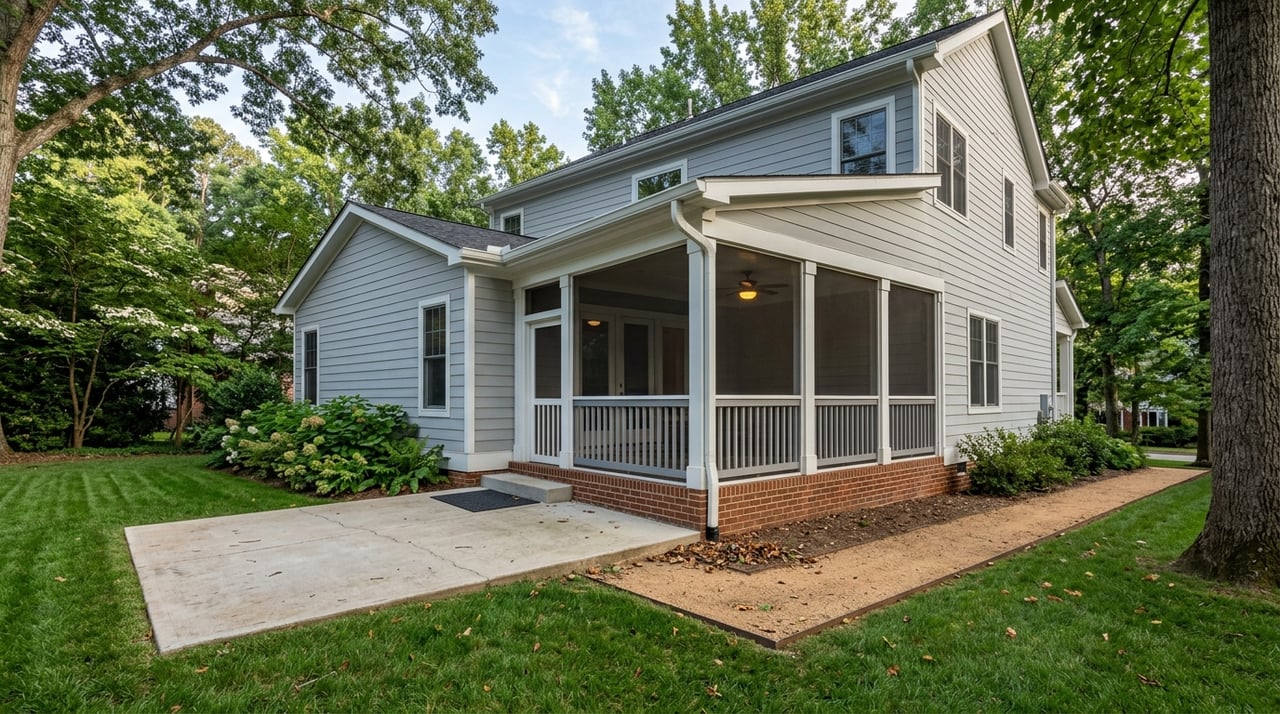
You will also find a wide mix of homes. Historic properties near downtown offer character, while late-20th-century neighborhoods provide larger lots and garages. Newer infill and small developments add modern floor plans and energy-efficient features. Your choice comes down to lifestyle priorities and your tolerance for renovation versus turnkey living.
Housing types in Ashland
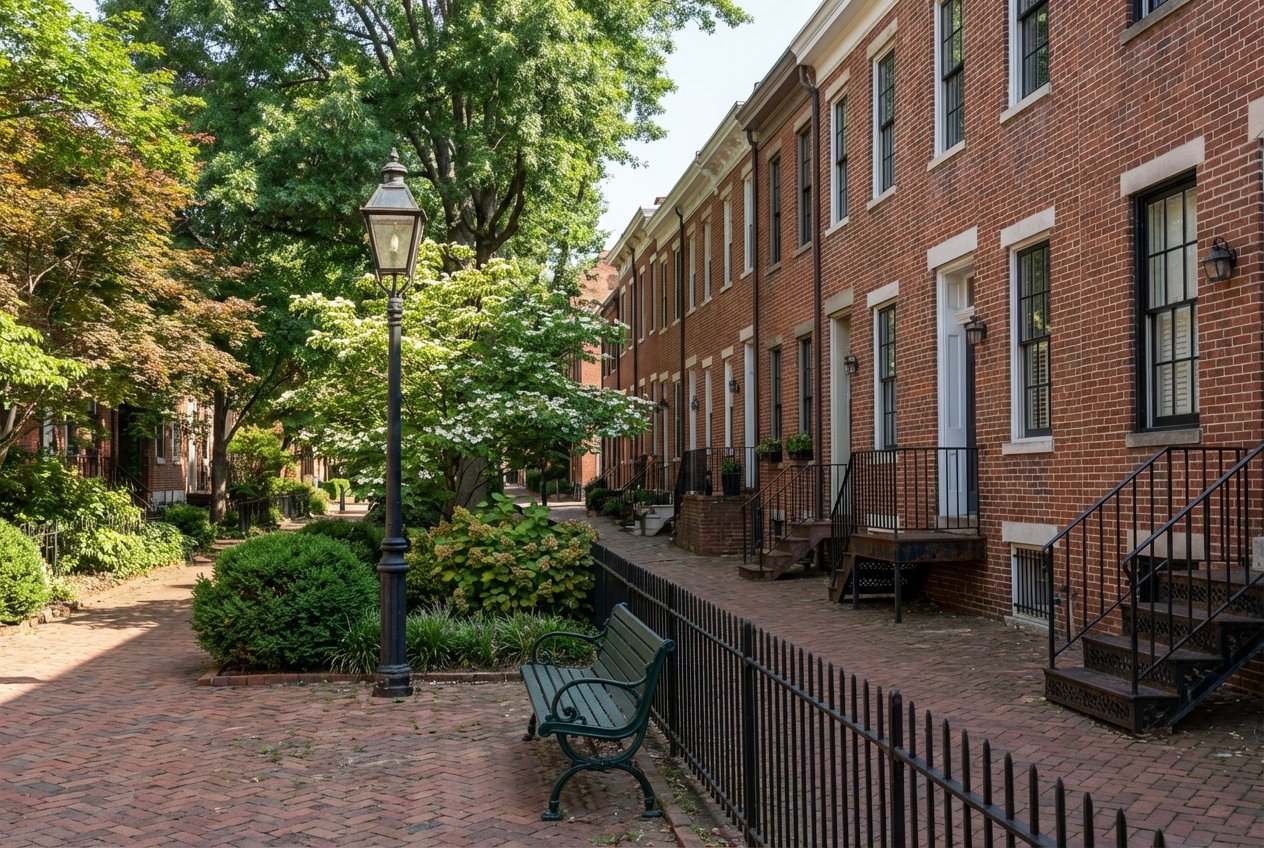
Historic homes near downtown
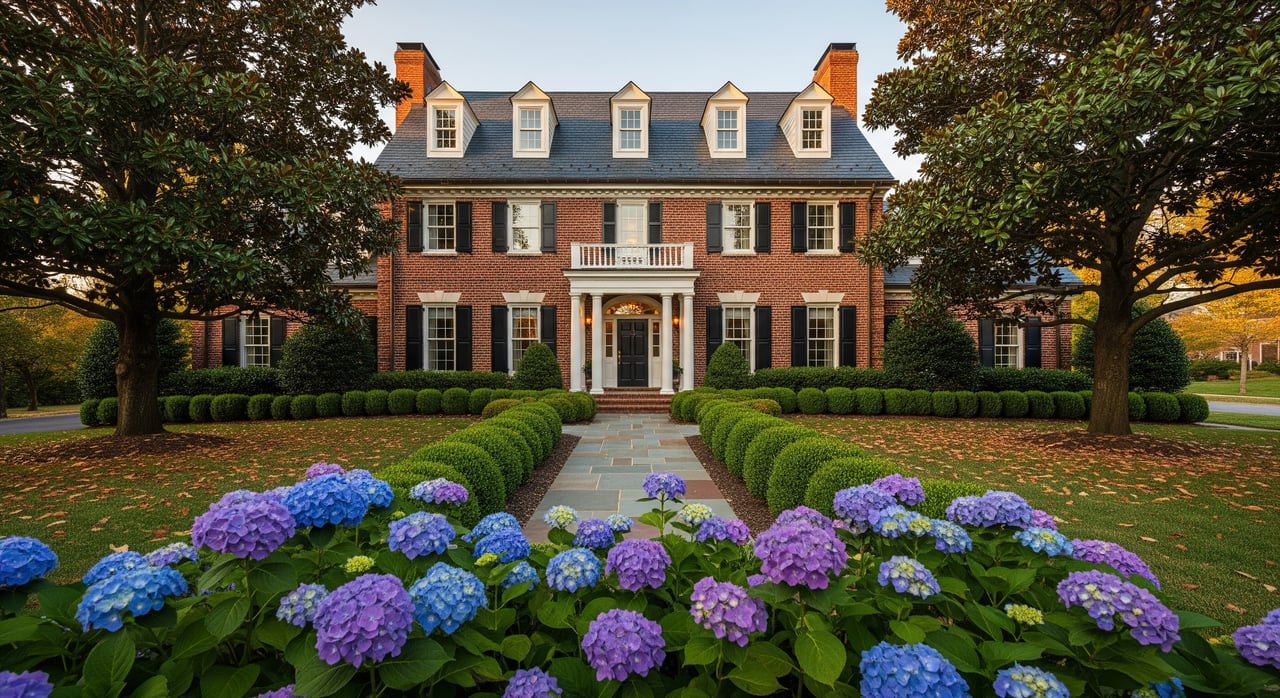
Close to the railroad corridor and main street, you will see Victorian, Queen Anne, early Colonial Revival, and Craftsman-style homes. Lots are smaller and walkability is strong. These properties often require updates to insulation, HVAC, and electrical systems, and you should plan for historical materials and method considerations.
If a home sits in a historic district or overlay, exterior changes may need design review. Budget time and costs for preservation-style approvals before you plan major projects. A thorough inspection and a contractor skilled in older homes will help you decide what to take on.
Bungalows and cottages nearby
Early- to mid-20th-century bungalows and cottages sit in neighborhoods just beyond the historic core. These homes often balance character with manageable maintenance. You still get a near-downtown location with a quieter residential feel.
Suburban neighborhoods and larger lots
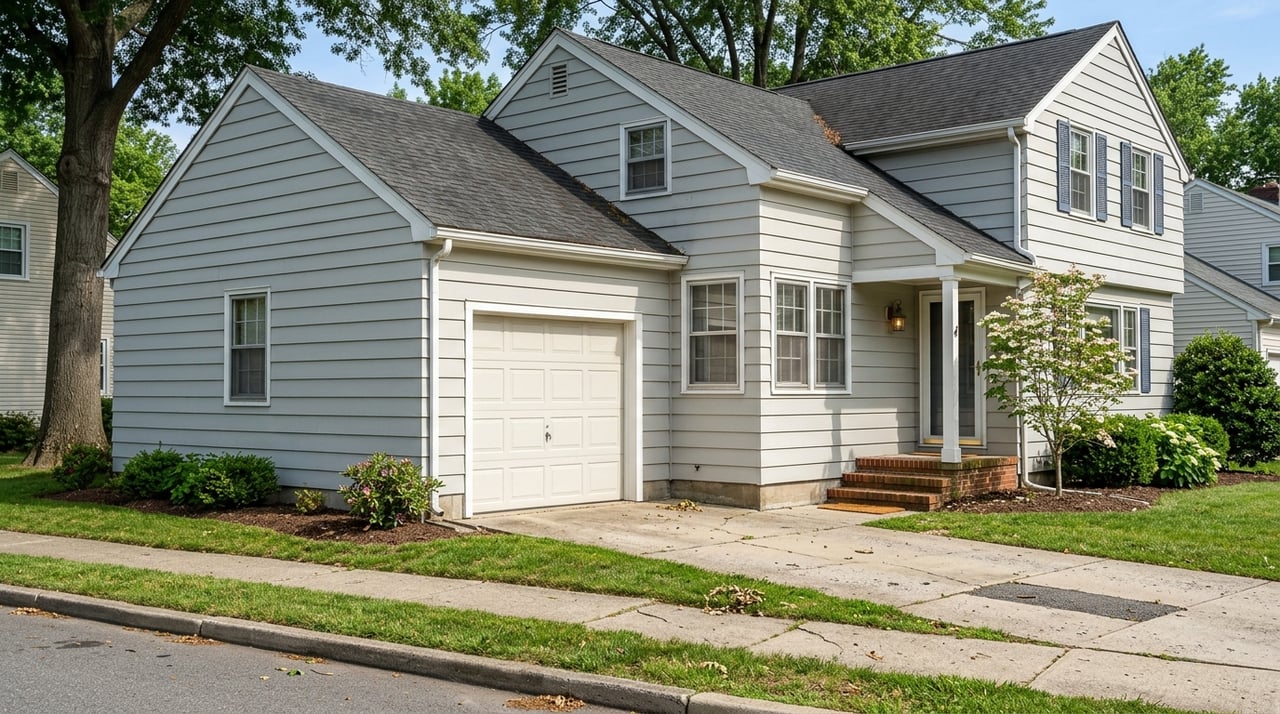
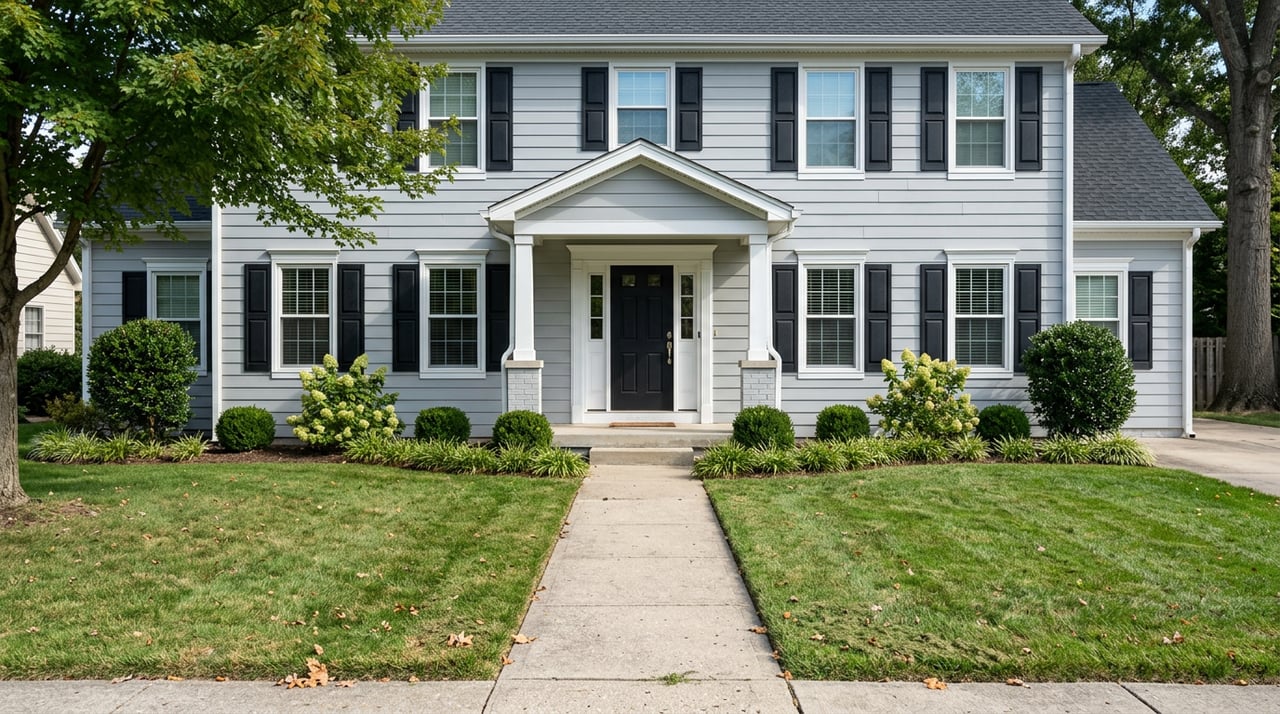
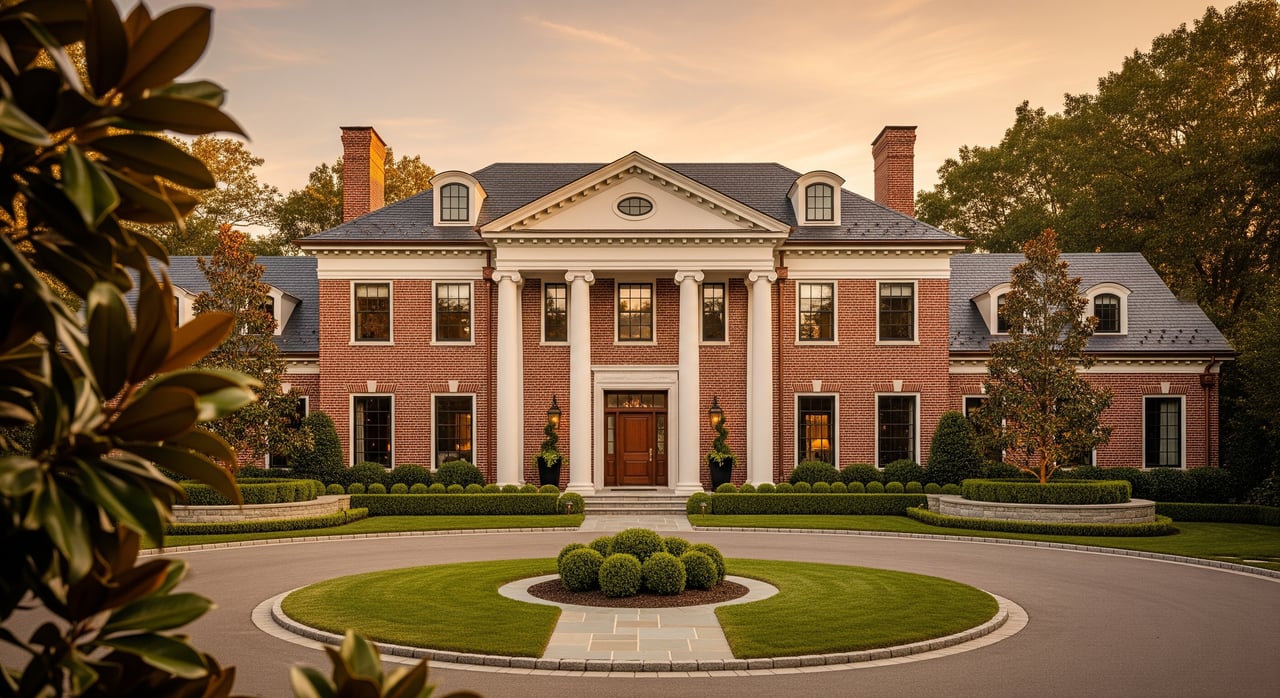
Post-war and late-20th-century subdivisions offer detached single-family homes with driveways, two-car garages, and larger yards. You gain more parking and space, though you will be more car-dependent than in the downtown blocks. Mechanical systems tend to be more modern compared with historic properties.
Newer builds and infill options
Smaller-scale new construction and infill homes appear on the town’s edges and in select pockets. These typically feature open layouts, modern finishes, and energy-efficiency upgrades. Inventory can be limited, so set alerts and prepare to move quickly if a home matches your wish list.
Townhomes and condos
Ashland is primarily a single-family market. Some townhouse and condominium options exist, but choices are more limited than in denser Richmond neighborhoods. If low-maintenance living is your top priority, expand your search criteria or timing to catch new listings.
Commute and transportation
Driving routes and timing
Ashland connects to the Richmond region through major north–south routes. Commutes can range from short to moderate depending on where you work, with peak times affecting your drive more than distance. Use live traffic tools to test routes during your typical hours before you commit.
Passenger rail and intercity access
Ashland’s identity as a rail town is very real. Passenger rail service runs through the heart of downtown. For exact schedules and current routes, check with the rail operator before planning regular travel.
Local transit and daily mobility
Local bus options are limited compared with the city. Most residents rely on personal vehicles, with rideshare, carpooling, and some employer or college shuttles as supplements. If you plan to live near downtown, you can walk to many daily needs.
Walkability and parking
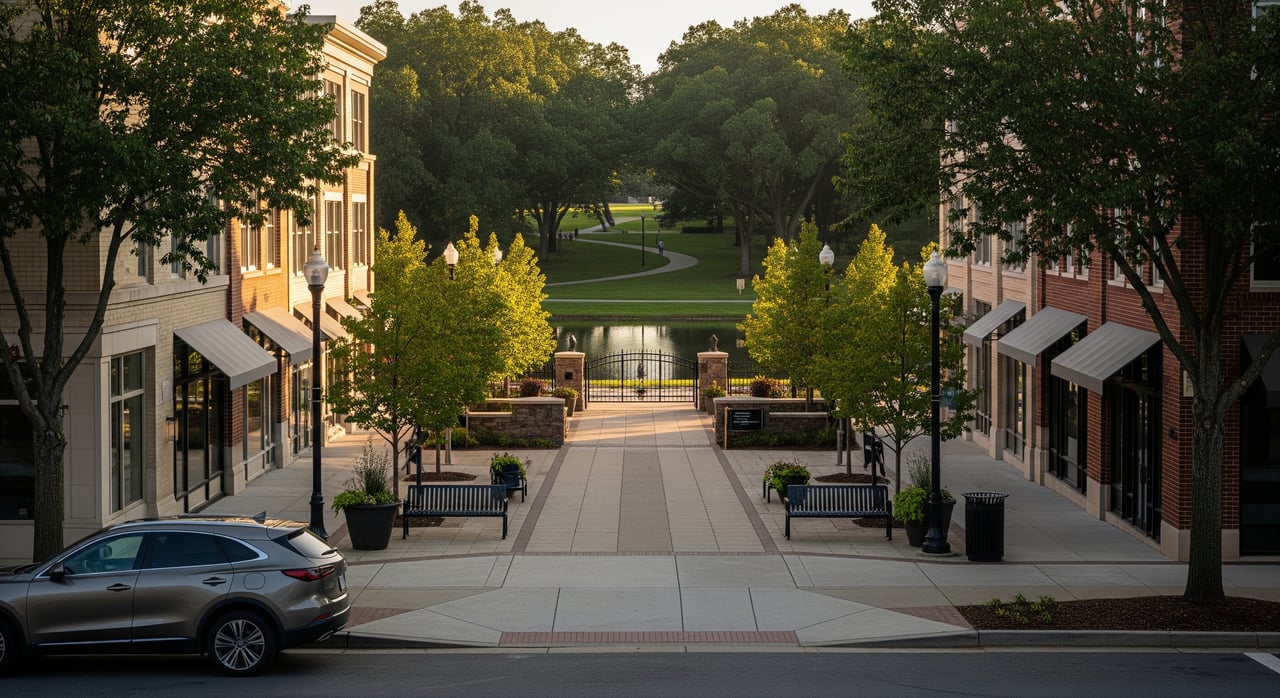
Downtown Ashland is walkable by small-town standards. You will find independent shops, cafés, and services within a short stroll of the tracks. Farther out, neighborhoods are designed around the car and offer more on-site parking.
Downtown life and rail-town charm
Food, coffee, and local retail
Expect a locally owned, small-scale scene: cafés, family-friendly restaurants, bakeries, and a few neighborhood bars. The mix is more intimate than the city’s dining districts, with a community-first feel.
Parks, trails, and recreation
The town offers parks, walking paths, and community recreation programs. County and regional park options nearby broaden your choices for hiking, biking, and family time outdoors.
College influence and events
Randolph-Macon College anchors arts, sports, and campus programming that add to the local calendar. You will notice a seasonal rhythm tied to the academic year, plus community events and markets that draw neighbors together. Always verify dates with the town or chamber before you go.
Buyer considerations and due diligence
Inspections and renovation planning
If you are considering a historic property, plan for deeper inspections focused on foundations, roofing, electrical, plumbing, and HVAC. Clarify costs for historically appropriate repairs. Even newer homes benefit from a full inspection and contractor walk-through.
Historic district design review
If a home lies within a historic zone, exterior changes can trigger design guidelines and review. Ask your agent to confirm whether your address falls in an overlay and what the process requires. Build approvals into your timeline.
Utilities, taxes, and rules
Service providers for water, sewer, trash, and internet vary by address. Some neighborhoods have HOA rules or special fees. Review local ordinances, deed restrictions, and any HOA documents before you write an offer.
Flood and environmental checks
Certain properties may be affected by localized flooding or older stormwater systems. Review FEMA flood maps and local resources to understand risk, insurance implications, and mitigation options.
Negotiation and offers
Historic homes can have fewer direct comparable sales. Strong contingencies and clear repair requests matter. Your agent should help structure an offer that fits the property type, condition, and your financing.
Ashland vs Richmond neighborhoods
Ashland offers a quieter, college-town feel at a smaller scale than central Richmond. You get a walkable main street, more single-family inventory, and less nightlife intensity. Inside the city, you will find broader multifamily options and a larger dining and arts scene.
When comparing, look closely at:
- Commute routes and actual travel times to your workplace.
- Inventory type and condition: historic charm, updated, or new build.
- Lifestyle preferences: small-town calendar and college programming versus city nightlife.
Relocation timeline and next steps
Step 1: Define must-haves
List your top priorities. Decide how important walkability, yard size, parking, and renovation tolerance are for you. This sets up a faster, smarter search.
Step 2: Preview and plan
Start with virtual tours and recent photos to narrow options. Map likely commute routes during your typical hours. Note any addresses in potential historic zones.
Step 3: Visit and verify
Schedule a short scouting trip to tour downtown, nearby neighborhoods, and a few homes that match your list. Use this visit to confirm your comfort with commute timing and daily routines.
Step 4: Line up your team
Engage an agent who understands Ashland and the broader Richmond market. Add a home inspector experienced with older construction, a contractor or handyman, and a lender who can navigate local appraisal dynamics and loan options.
Step 5: Act decisively
Inventory can be tight in a small town. Have your pre-approval ready, set alerts, and be prepared to write a clean, well-structured offer when the right place appears.
Work with a local advisor
A successful relocation comes down to clarity, timing, and a team that knows the local nuances. If you want a guide who pairs neighborhood knowledge with clear communication and strong negotiation, reach out to Craige Sprouse. Whether you are eyeing a historic cottage near the tracks or a newer home on a larger lot, you will get a straightforward plan and hands-on support from search to closing.
FAQs
What should I know about buying a historic home in Ashland?
- Expect more detailed inspections, potential design review for exterior changes in historic districts, and budgeting for updates to systems and materials.
How does the Ashland commute compare to living in Richmond?
- Commute times vary by route and peak hours; Ashland often trades slightly longer drives for a quieter setting and a walkable main street.
Are there many townhomes or condos in Ashland?
- Options exist but are limited compared with denser Richmond neighborhoods; most inventory is single-family.
Is downtown Ashland walkable for daily errands?
- Yes, by small-town standards; many shops, cafés, and services cluster near the railroad corridor, though areas farther out are car-dependent.
Does Ashland have passenger rail service for longer trips?
- Yes, intercity passenger rail runs through downtown; always confirm current schedules and routes with the operator before planning regular travel.
What local rules or fees should I confirm before buying?
- Check utilities by address, any HOA rules or special fees, historic district guidelines for exterior changes, and flood risk using official maps.