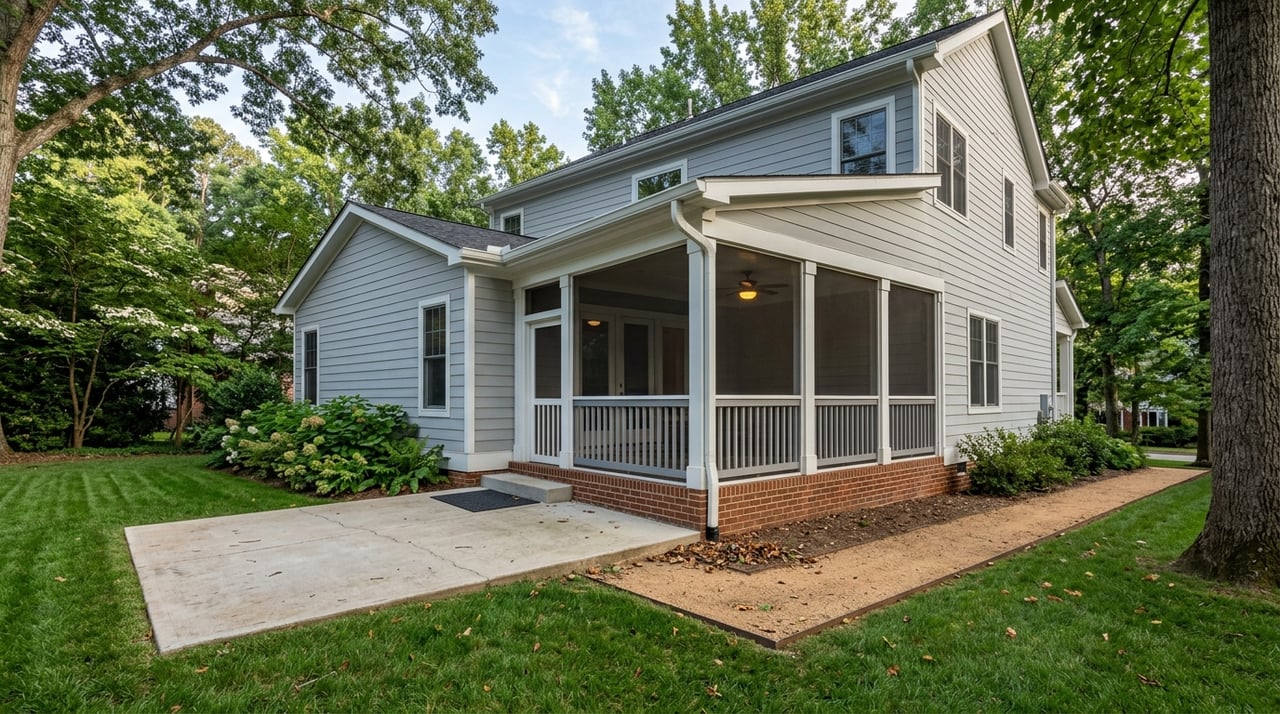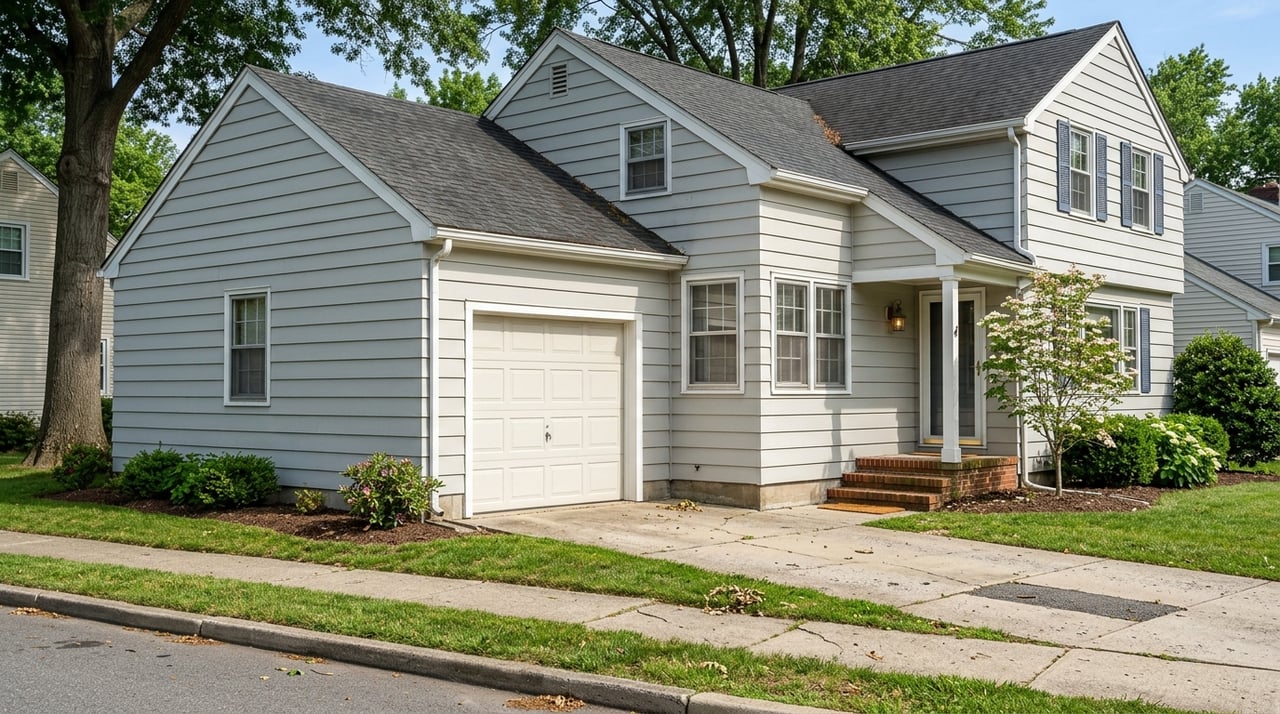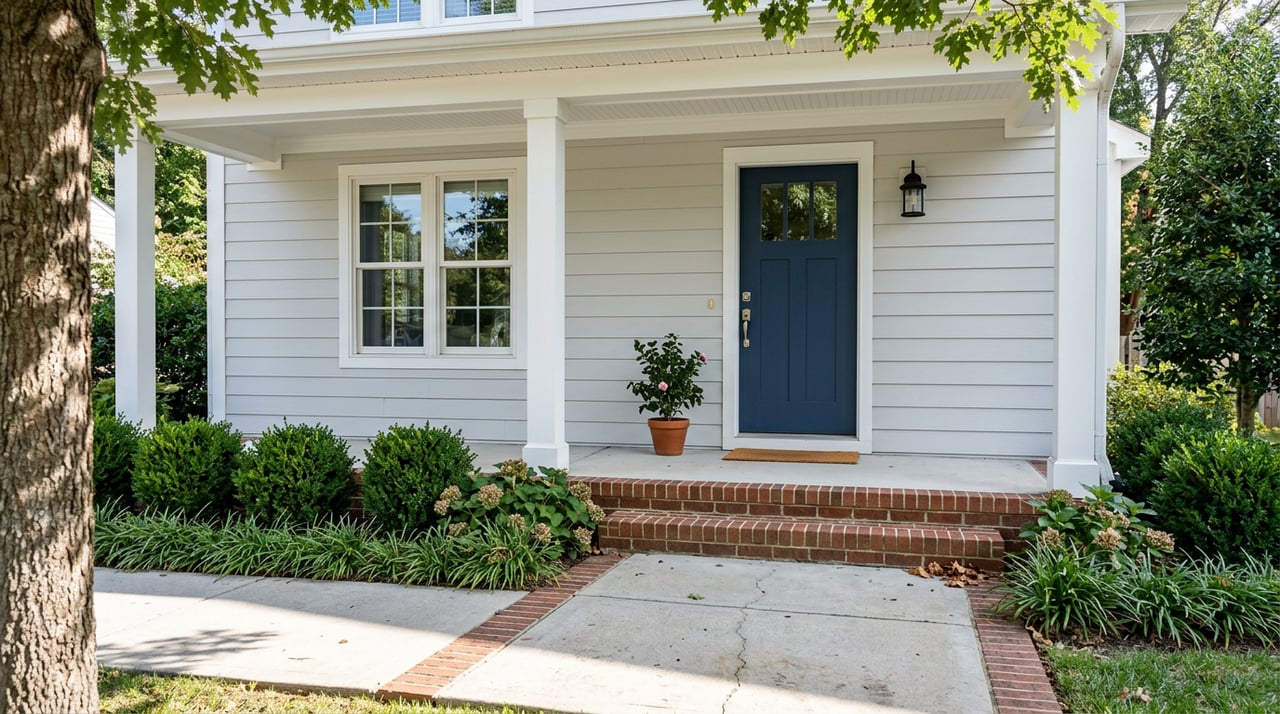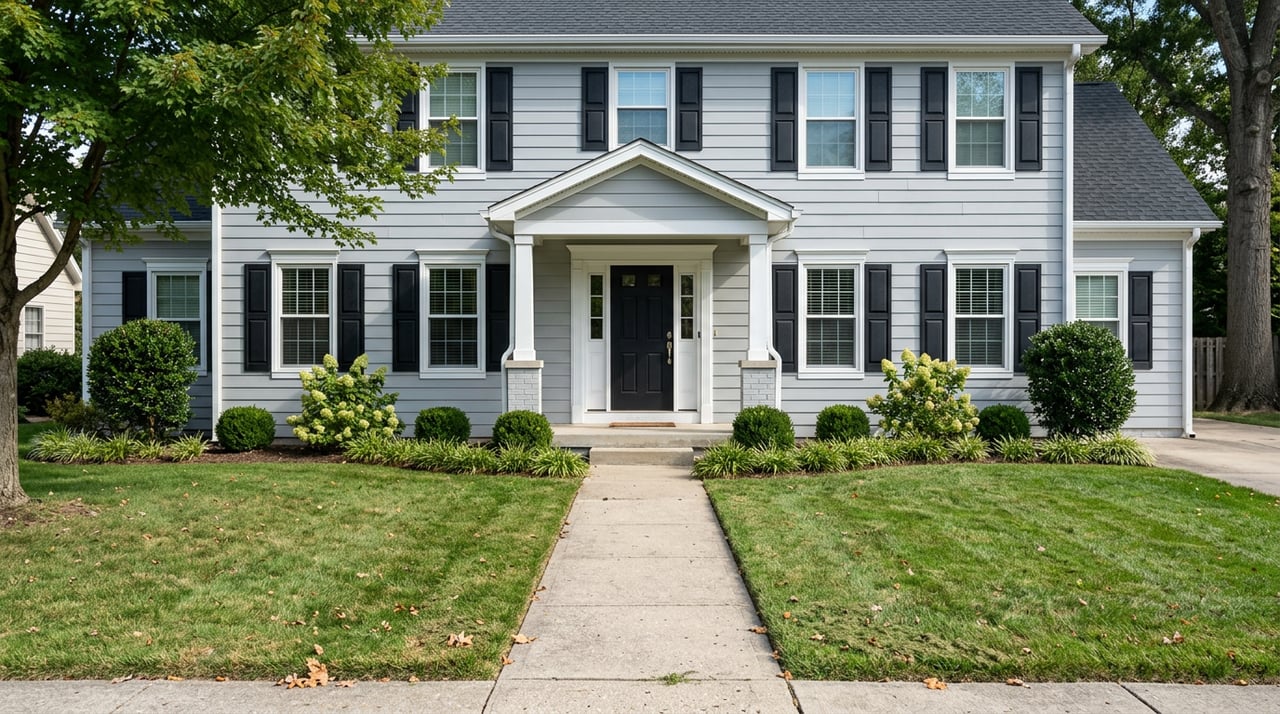
Thinking about selling your Church Hill home but not sure when to list? Timing can shape how fast you sell and how strong your offers are. You want a plan that fits the rhythm of Richmond’s market and the realities of a historic neighborhood. In this guide, you’ll learn the best seasonal windows, what to expect by price tier, and exactly how to work backward from a target launch date with a simple planning worksheet. Let’s dive in.
What the data says about timing
Seasonal trends show a clear pattern across national and Mid-Atlantic markets. Buyer activity typically builds in late winter, peaks in spring, and stays solid into early summer. Activity tends to slow in late summer and fall, with the quietest stretch in late fall and winter. More buyers in spring often means faster sales and better negotiating leverage.
Church Hill follows this general pattern, with a few differences. It is a close-in historic neighborhood that attracts a wide mix of buyers, including local professionals, first-time buyers, downsizers, and renovation-minded investors. That blend keeps some demand flowing year-round. Still, late winter through spring is usually your most favorable stretch.
Church Hill buyer patterns to know
- Local professionals and investors shop year-round, which softens the seasonal dip.
- Family-timed moves cluster in spring and early summer, which boosts traffic and competition in those months.
- Older homes and historic designation factors can lengthen timelines from contract to close due to financing, inspection items, or preservation reviews.
Best listing windows in Church Hill
- Aim for late February through June for the highest probability of strong buyer activity.
- Momentum often continues into early summer in Richmond’s climate, which can extend the window for well-prepared listings.
- Early fall can work if inventory is tight. If you miss spring, target a polished September launch rather than forcing a late-summer debut.
Set expectations as probabilities, not guarantees. The smartest move is to pair these seasonal guidelines with multi-year Church Hill data to choose your launch month.
Price bands change your strategy
Not every Church Hill home follows the same playbook. A historic rowhouse that needs work and a fully restored showpiece may perform differently. Instead of fixed price points, think in percentiles based on recent neighborhood sales.
- Entry band: roughly the lowest 25th percentile. These are smaller homes or fixer opportunities. When priced correctly, they can move quickly with investors and first-time buyers. Less sensitive to season, more sensitive to financing and inventory.
- Middle band: roughly the 25th to 75th percentile. Renovated homes with solid systems and updates. This is the largest buyer pool and sees the strongest lift from spring listing windows and staging.
- Upper band: roughly the top 25th percentile. Fully restored or high-amenity historic homes. Buyer pool is smaller. These can take longer to find the right match and rely more on top-tier marketing, accurate pricing, and patience than on week-to-week seasonality.
Days on market and expectations
Use recent Church Hill MLS results to set realistic ranges. As a rule of thumb, entry band homes can go under contract in a few weeks when priced and presented well. Middle band homes tend to benefit most from spring. Upper band homes may require longer timelines regardless of month. If your data sample is small for a given month, expect variance and build a buffer.
How to analyze multi-year Church Hill data
If you want the most confident timing decision, analyze several years of local sales. Here is a straightforward approach:
- Pull 3 to 5 years of monthly closed sales for Church Hill, using a consistent neighborhood boundary.
- Clean the data. Remove outliers that do not reflect open-market conditions when appropriate.
- Compute monthly medians for sale price and days on market, plus list-to-sale price ratio and closed volume.
- Segment the data by price percentiles to compare entry, middle, and upper bands.
- Use rolling averages to smooth year-to-year noise and reveal recurring monthly peaks.
- Note sample sizes. Months with few sales will be less reliable, so weigh recurring multi-year patterns more heavily than a single outlier year.
This kind of local analysis turns a general spring-is-best rule into specific, confidence-backed target months for your home.
Work backward from your target launch date
Pick a target month based on your data and personal timeline. Then plan your prep steps from that date backward. Historic homes often need a little extra lead time, especially for exterior work that may require review.
Typical lead times
- Light prep, mainly cosmetic and staging: 2 to 4 weeks
- Moderate prep, minor repairs, paint, and landscaping: 6 to 8 weeks
- Extensive prep, major systems or exterior work with permits: 3 to 6 months or more
If you want an April launch, begin moderate prep by February to avoid rushing. Build in buffer days to handle contractor schedules or approvals.
Week-by-week plan templates
Light prep, about 3 to 4 weeks total:
- Week −4 to −3: Declutter, book stager and photographer.
- Week −2: Deep clean and minor touchups.
- Week −1: Staging installed and photography completed.
- Launch day: MLS live with showings and an early open house.
Moderate prep, about 6 to 8 weeks total:
- Week −8 to −6: Pre-listing inspection and repair quotes.
- Week −6 to −3: Complete repairs and landscaping refresh.
- Week −2: Staging, photography, finalize disclosures.
- Week −1: Pre-market outreach and broker preview; finalize listing.
Extensive prep, 3 to 6 months or more:
- Months −6 to −3: Permits and major contractor work if needed.
- Months −2 to −1: Finish carpentry, systems checks, staging preparations.
- Month −1: Staging, photography, final inspections, disclosures.
- Launch: MLS live and weekend open house early in the cycle.
Listing checklist for historic Church Hill homes
Historic character is a selling point. Plan a listing experience that respects it and presents it beautifully.
- Visual storytelling. Highlight moldings, fireplaces, original floors, staircases, and porches. A short history or provenance can add depth to your listing description.
- Professional imagery. Use photography, floor plans, and a 3D tour. Drone or streetscape shots showcase Church Hill’s walkable charm and skyline views.
- Open houses early. Schedule your first open house soon after going live in peak months to capture fresh traffic.
- Exterior approvals. If you need to change paint colors, windows, or porch details, start any historic review process early. Some items are quick, others need formal review.
Disclosures and documentation to prepare
- Lead-based paint disclosure. Homes built before 1978 require a lead disclosure and delivery of the EPA pamphlet. Safe work practices and buyer rights apply.
- Historic documentation. Keep records of past permits or certificates for exterior changes. Buyers value clarity.
- Virginia seller forms. Complete current state disclosure forms and consider sharing recent inspection reports to reduce surprises.
Simple worksheet: choose a launch date and work backward
Use this fillable checklist to map your ideal list date. Count backward from your target to set task deadlines.
- Desired listing launch date: __________
- Seasonality check supported by multi-year Church Hill MLS data: yes/no
- Pre-listing inspection needed: yes/no • Complete by: __________
- Major repairs or permits required: yes/no • Start: __________ • Complete: __________
- Cosmetic repairs, paint, and landscaping complete by: __________
- Staging install date: __________ • Photography date: __________
- 3D tour and floor plan date: __________
- Listing copy and MLS entry due: __________
- Broker preview or pre-market outreach date(s): __________
- Buffer days for delays: __________ • Recommend 7 to 14 days
- Target days-on-market expectation based on recent MLS data: __________
- Contingency plan if not ready: postpone to the next high-demand month yes/no
Messaging and pricing by band
Set your pricing and expectations to fit the likely buyer pool.
- Entry band. Emphasize value and potential. Solve financing hurdles early if work is needed. Clean, safe, and functional goes a long way.
- Middle band. Lean into spring windows. Professional staging, landscaping, and polished media often deliver multiple strong offers.
- Upper band. Tell the home’s story and give buyers time to engage. Showcase craftsmanship, systems upgrades, and provenance with magazine-quality media. Price accurately within the band to reach the right audience.
Putting it all together
If you can pick your month, late winter through spring is your best bet in Church Hill, with early summer often still productive. Combine that seasonal lift with a well-managed prep timeline and marketing that honors your home’s history. Your plan should feel calm and deliberate, not rushed.
Ready to zero in on the right month and build a step-by-step prep plan tailored to your property? Reach out to Craige Sprouse to review Church Hill’s latest MLS trends and map a data-backed launch. Request your free home valuation.
FAQs
What is the best month to sell a Church Hill home?
- Late winter through spring is often strongest, with momentum into early summer. Confirm the exact month using multi-year Church Hill MLS data for the most confidence.
How long do homes in Church Hill usually take to sell?
- It varies by price tier and condition. Entry band homes can move in a few weeks, middle band homes benefit most from spring, and upper band homes often take longer regardless of month.
Should I wait until spring if my home is ready now?
- Not always. Strong presentation and pricing can win year-round, and low-inventory stretches can create opportunity. If you miss spring, consider a polished early fall launch.
What prep delivers the best return on a Church Hill listing?
- Professional staging, fresh paint and landscaping, and top-tier photography with floor plans and a 3D tour typically provide strong ROI for historic homes.
What disclosures apply to older homes in Richmond?
- Expect lead-based paint disclosures for pre-1978 homes, standard Virginia seller forms, and documentation for any exterior changes in a historic district. Keep permits and approvals organized.